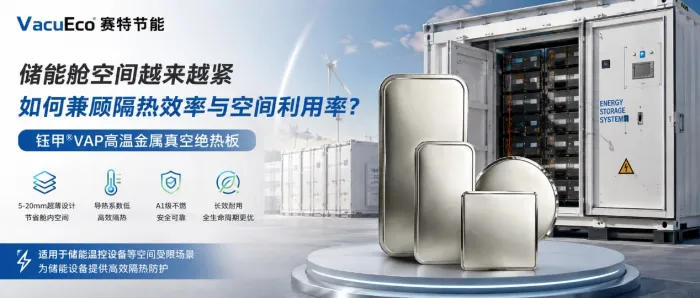
For energy storage system R&D directors, new energy procurement managers, and chief safety engineers, the real challenge is often not simply finding a material. The key challenge is solving thermal management, insulation, safety, and space utilization requirements simultaneously within a limited energy storage cabin space.
Traditional insulation materials typically achieve better thermal insulation performance by increasing thickness.
VacuEco® Yujia VAP High-Temperature Metal Vacuum Insulation Panels take a different approach.
Instead of continuously increasing insulation thickness, the goal is to make the insulation layer as thin as possible while still meeting thermal insulation requirements.
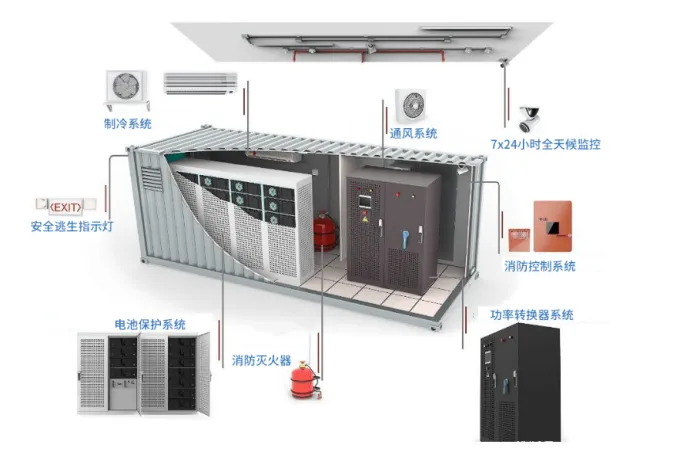
The internal space of energy storage containers and cabinets is fixed.
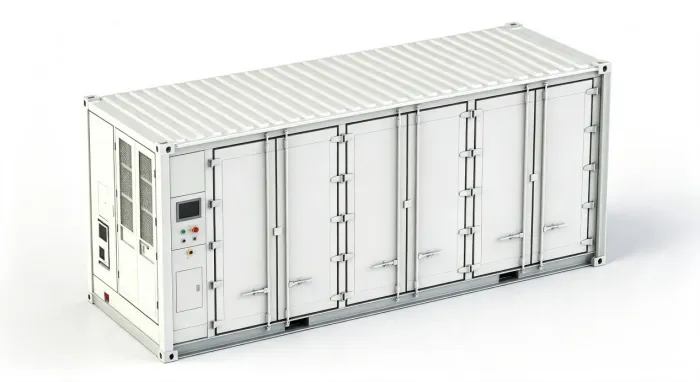
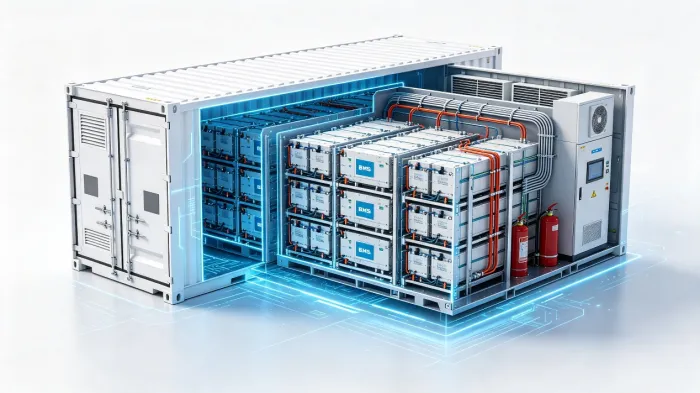
Taking a 1MW/1MWh containerized energy storage system as an example, the system typically consists of battery storage modules, monitoring systems, battery management units (BMU), dedicated fire protection systems, dedicated air conditioning systems, power conversion systems (PCS), and isolation transformers, all integrated into a 40-foot container.
If insulation materials consume an additional several tens of millimeters of space, the internal layout becomes increasingly constrained.
Therefore, when selecting insulation materials for energy storage systems, engineers should not only consider thermal conductivity, but also ask a practical question:
How much space is actually required to achieve the desired insulation performance?
This is the value of thin thermal insulation solutions.
For the same insulation requirements, if a more efficient material system can reduce insulation thickness, more internal space can be released for structural optimization and improved thermal management system layout.
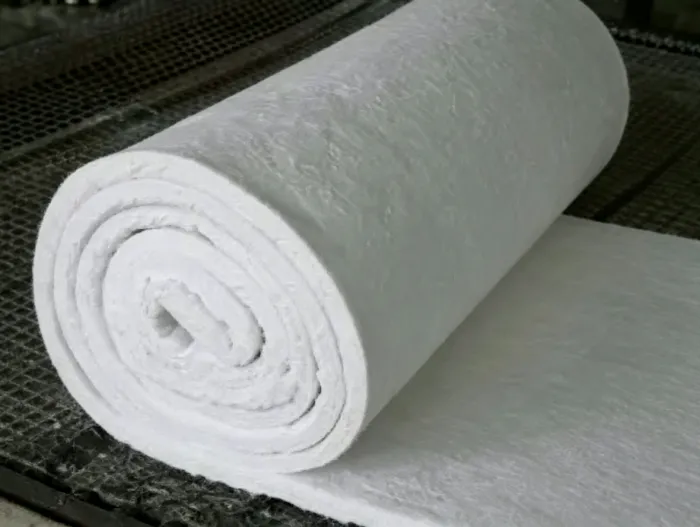
Materials such as rock wool and ceramic fiber (aluminum silicate fiber) have been widely used in industrial insulation applications.
However, these materials generally rely on sufficient thickness to create thermal resistance.
For large industrial equipment, increasing insulation thickness may only result in a larger overall equipment size.
However, energy storage systems present a different challenge.
The cabin size is limited, meaning every additional few millimeters of insulation thickness must come at the expense of space allocated for other components.
At the same time, traditional fiber-based insulation materials require attention to issues such as moisture absorption, damage, and dust generation during long-term operation and installation.
For energy storage equipment, insulation materials must not only provide thermal protection but also adapt to compact internal spaces and complex structural designs.
Since insulation layers cannot be increased indefinitely, the intrinsic insulation efficiency of the material becomes increasingly important.
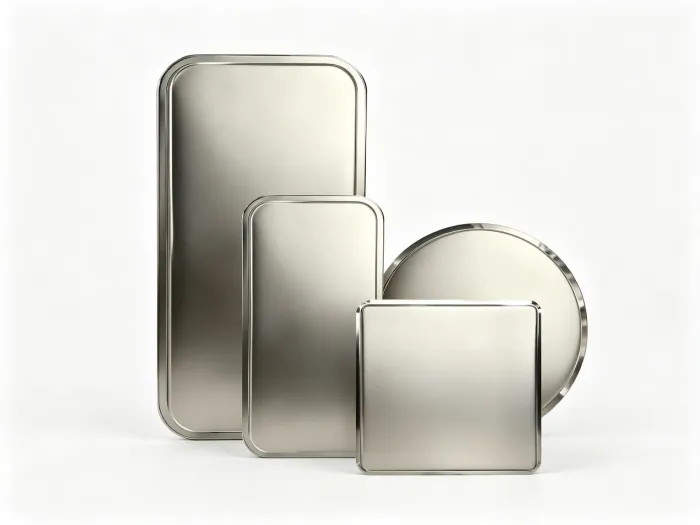
The core technology of VacuEco® Yujia VAP High-Temperature Metal Vacuum Insulation Panel (Yujia VAP High-Temperature Insulation Panel) is based on vacuum insulation technology to reduce heat transfer, combined with a metal encapsulation structure for protection and stability.
Traditional insulation materials mainly rely on the material itself to create thermal resistance.
Vacuum insulation panels reduce heat transfer caused by gas conduction through a vacuum environment, while combining high-temperature-resistant core materials and barrier structures to further minimize thermal transfer.
Simply put, it works like adding a highly efficient “thermos-like” insulation layer to an energy storage system.
Heat transfer from one side to the other is significantly restricted.
Therefore, while meeting actual operating conditions and insulation requirements, vacuum insulation technology enables thinner insulation designs.
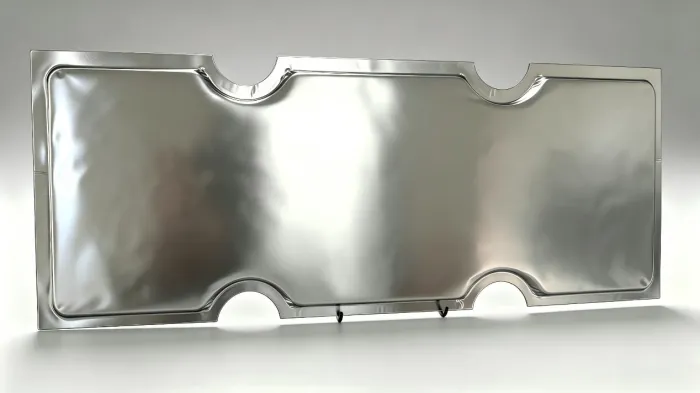
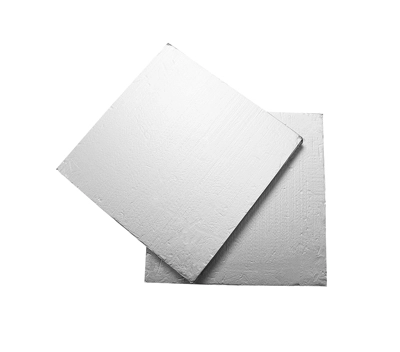
VacuEco® Yujia VAP High-Temperature Metal Vacuum Insulation Panels are available in various thickness options, including 5–20mm solutions, allowing customized designs for equipment structures where insulation thickness is a critical requirement.
By reducing the space occupied by the insulation layer, energy storage equipment gains additional flexibility for structural design.
Thermal insulation for energy storage systems cannot be evaluated only under normal operating conditions.
Chief safety engineers are more concerned about abnormal operating conditions.
If localized overheating occurs, the stability of surrounding materials becomes an equally important consideration.
VacuEco® Yujia VAP High-Temperature Metal Vacuum Insulation Panels adopt a metal encapsulation structure combined with inorganic core materials, designed for applications including high- and low-temperature energy storage systems and industrial equipment.
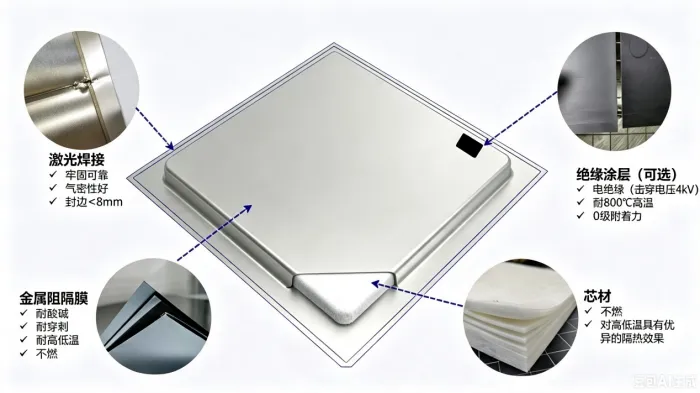
Compared with material systems where the high-temperature behavior of organic components requires careful consideration, inorganic core material systems are more suitable for evaluation from the perspective of intrinsic high-temperature stability.
However, one point needs to be clearly understood:
Thermal insulation materials are not the entire energy storage safety system.
Battery Management Systems (BMS), fire protection systems, thermal management systems, electrical protection systems, and structural design each play different safety roles.
The primary role of VacuEco® Yujia VAP High-Temperature Metal Vacuum Insulation Panel is to serve as a thermal insulation and protection material within energy storage equipment, reducing heat transfer and helping optimize thermal management design.
Therefore, in actual projects, material selection should still be based on operating temperature, insulation objectives, installation location, and relevant product testing requirements.
Many energy storage systems face a common design challenge during the development stage.
A thicker insulation layer can make thermal control easier to achieve.
However, increasing insulation thickness reduces available internal space.
As a result, engineers must continuously adjust battery arrangements, structural components, and thermal management system layouts.
This is where the value of thin insulation materials becomes clear.
The goal is not simply to make insulation thinner, but to reduce unnecessary space consumption while maintaining required thermal insulation performance.
For applications such as energy storage containers, energy storage cabinets, and new energy battery storage spaces, this design approach deserves particular attention.
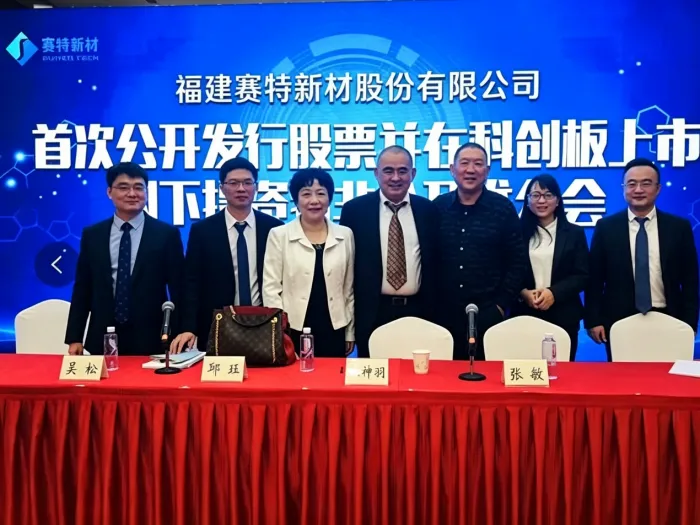
SITER New Materials has long been focused on vacuum insulation technology and was listed on the Shanghai Stock Exchange Science and Technology Innovation Board (STAR Market) in 2020, with stock code 688398.
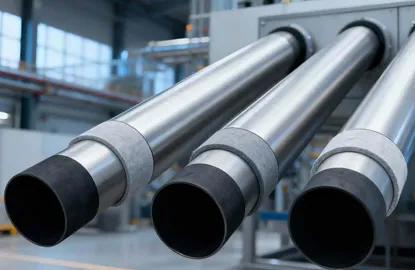
With the growing demand for energy thermal management solutions, vacuum insulation technology has expanded beyond traditional applications into a wider range of scenarios, including high- and low-temperature energy storage systems, industrial furnaces, heat treatment equipment, thermal pipeline networks, industrial ovens, and building applications.
The underlying logic is clear.
Energy storage equipment is becoming increasingly compact, while thermal management and insulation requirements remain unchanged.
Therefore, insulation materials need to address two key challenges:
Thermal insulation efficiency and space utilization.
VacuEco® Yujia VAP High-Temperature Metal Vacuum Insulation Panel is a thin thermal insulation solution developed specifically around these requirements.
Answer: It is particularly suitable for applications such as energy storage containers, energy storage cabinets, energy storage cabins, and new energy battery storage spaces where thermal insulation performance and space utilization are important considerations.
The specific installation location and structural design should be determined based on equipment dimensions, operating temperature, and insulation objectives.
Answer: The internal space of energy storage cabins is limited, while battery systems, thermal management systems, electrical systems, and fire protection systems all require space.
If the insulation layer is too thick, it will further reduce the available internal space of the equipment.
Therefore, selecting thinner insulation materials while meeting thermal insulation requirements can help optimize the internal structural design of energy storage equipment.
Answer: Traditional insulation materials typically rely on their thickness to create thermal resistance.
Metal vacuum insulation panels reduce heat transfer through vacuum insulation technology and are protected through metal encapsulation structures.
Therefore, the two insulation approaches are based on different design principles.
For space-constrained equipment such as energy storage cabinets and containerized energy storage systems, the key consideration is not only insulation performance, but also how much space the material occupies while achieving the same thermal insulation requirements.
 English
 日本語
日本語 한국어
한국어 français
 Deutsch
 Español
 italiano
 русский
 português
 العربية
 Türkçe