Let's start with a real-world scenario.
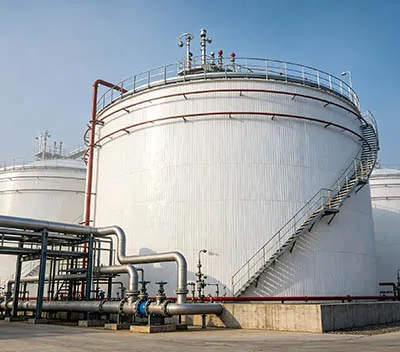
Proposals for a pipeline renovation project at a chemical plant were rejected for insulation thickness.
The 200mm pipeline used 100 mm rock wool for insulation, which incurred a series of problems: insufficient space in the corridor, excessive load capacity of support structures, and inadequate spacing between adjacent pipes.
This is not an isolated case. In the industrial insulation application, the entrenched belief that thickness does not matter might not always work out.
So, is there a way to achieve the required thermal insulation performance while significantly reducing the thickness of the insulation layer for this project?
The answer is yes, but first, we wish to introduce three key thermodynamic parameters if you were unfamiliar with them.
Price and brand matter when selecting insulation materials, but thermal performance itself is after all the cornerstone. Understanding these three key parameters is essential to make the right choice.
Definition: The amount of heat transferred per second through a 1-meter-thick material with a temperature difference of 1°C across its two sides over an area of 1 square meter.
Unit: W/(m·K)
The thermal conductivity is an inherent physical property of a material, independent of its thickness.
As λ increases → Heat transfer occurs faster → Bad insulation
The smaller the λ value, the slower the heat transfer rate, and consequently the better the thermal insulation performance.
In simple terms: The thermal conductivity coefficient is like a material's "heat-leak gene"; the higher this value is, the worse insulation performance is.
Definition: The heat transferred per second across an area of 1 square meter when there is a temperature difference of 1°C between the two sides of a material.
Unit: W/(m²·K)
Formula: K = λ ÷ d (where d is the thickness of the material)
The heat transfer coefficient is a comprehensive parameter determined by both the material and its thickness, directly reflecting the heat loss.
Larger K means bad insulation.
Smaller K means good insulation.
In simple terms: The thicker the insulation layer (the larger the value of d), the smaller the K-value, and the better the thermal insulation performance. However, if insulation material is bad, even a thicker layer won’t help.
Unit: (m²·K)/W
Formula: R = d ÷ λ
The thermal resistance value is the key indicator for evaluating a material's ability to hinder heat transfer; a higher R-value signifies better insulation performance. In engineering design, the standard thermal resistance value is typically used as the benchmark for material selection.
Key conclusions regarding the three parameters
Under equal thermal resistance conditions, the lower the thermal conductivity λ, the thinner the required thickness d.
This conclusion is used in subsequent discussion.
Scenario:
Design requirement for an industrial insulation project: thermal resistance value R ≥ 2.5 (m²·K)/W
The minimum required insulation layer thickness for meeting standards for three common materials is compared as follows:
Material | Thermal conductivity λ (W/m·K) | Required minimum thickness | Thickness Ratio |
Vacuum Insulation Panel | 0.002 | 5 mm | 1× |
Urethane foam | 0.02 | 50 mm | 10× |
Rock wool | 0.04 | 100 mm | 20× |
Calculation: d = R × λ = 2.5 × λ
To whit:
The vacuum insulation panel requires only 5 mm thickness.
Polyurethane foam need 50 mm, which is ten times that of vacuum insulation panels.
Rock wool requires a thickness of 100 mm, which is 20 times that of vacuum insulation panels.
This means vacuum insulation panels can achieve the same performance with minimal insulation thickness.
What does a 1 mm reduction in the thickness of the insulation layer mean for industrial applications?
Large storage tanks/tube racks: The insulation layer is reduced by 95 mm, freeing up approximately 600 cm² of cross-sectional space per linear meter of pipeline; support spacing can be optimized, significantly lowering the overall structural load.
Ships/Rail transit: Ultra-thin insulation solutions directly determine cabin clearance and passenger comfort—every millimeter counts.
Precision equipment cabinets: An excessively thick insulation layer causes the equipment's dimensions to exceed specifications and leaves insufficient installation space, representing the most common "bottleneck" challenge faced by engineers.
The thinner the insulation layer, the lighter its weight per unit area. For building roofs, mobile equipment, or offshore platforms with load constraints, the structural optimization benefits derived from lightweight design often rival those of energy efficiency improvements themselves.
The primary heat transfer pathways of conventional insulation materials are threefold: conduction, convection, and radiation.
Vacuum insulation panels reduce heat transfer by doing these:
Air extraction → Reduces conduction by air (air contributes approximately 50% or more thermal conductivity).
The microporous structure of the core material → blocks solid conduction pathways
Barrier film →Reduces radiative heat transfer
By employing a three-pronged approach, the thermal conductivity is reduced to 1/10–1/20 of that of conventional materials.
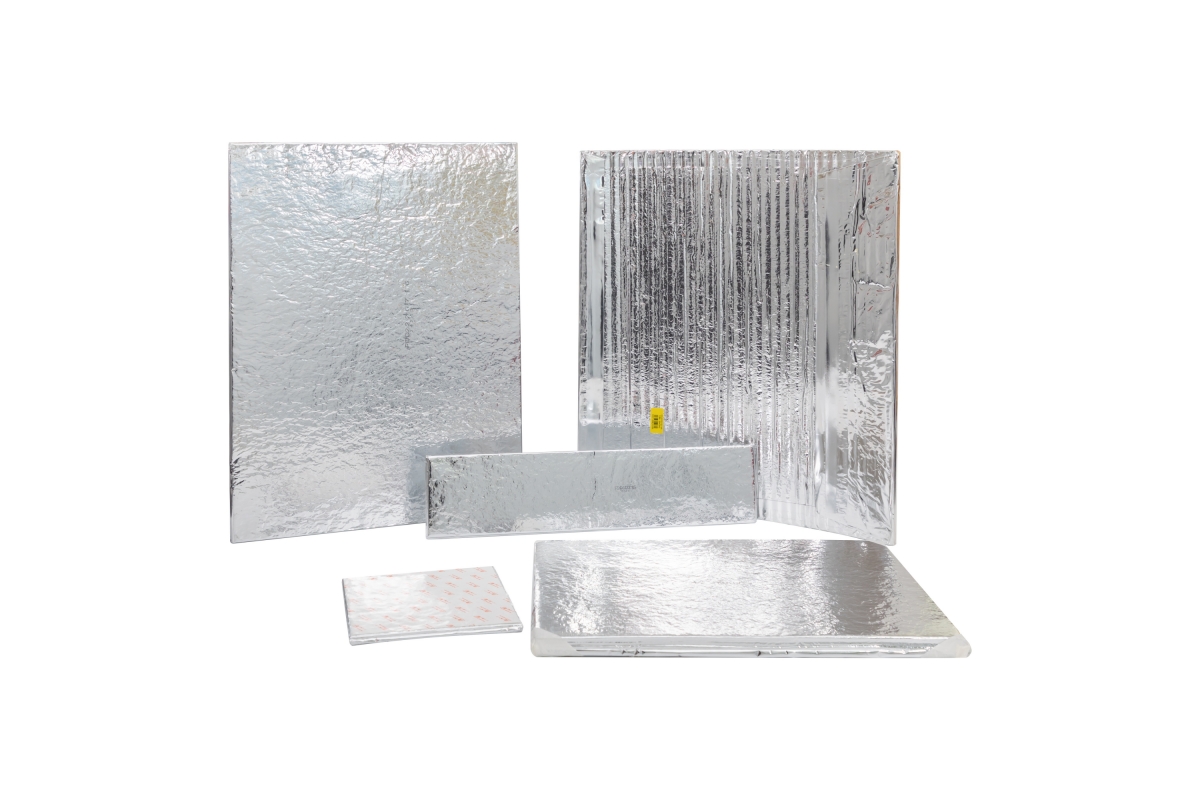
Vacuum insulation panels have an extremely low thermal conductivity (0.002 W/m·K) as well as being space efficient. With just 1/20 of the conventional thickness, it can still provide equivalent insulation performance:
When your project once again faces the challenge of insufficient insulation thickness, give vacuum insulation panels a chance.
#Insulation Materials #Thermal Conductivity #Vacuum Insulation Panels #Heat Resistance Value #Lightweight Design #Space Optimization
 English
 日本語
日本語 한국어
한국어 français
 Deutsch
 Español
 italiano
 русский
 português
 العربية
 Türkçe