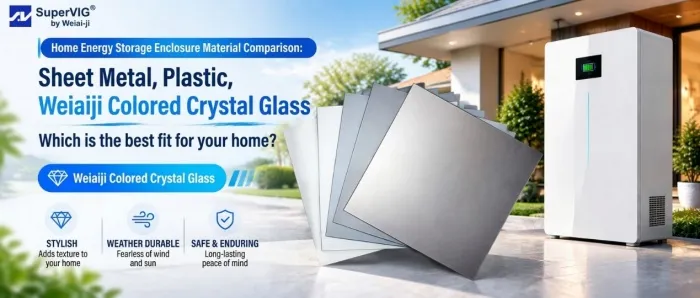
Many home energy-storage systems offer similar power and capacity, and price competition is intense. Hardware specs alone are hard to build a lasting advantage around. Fit with the home, surface finish, consistent processing and reliable volume production are becoming the real differentiators.
As more homes adopt clean energy, batteries are doing far more than emergency backup. They support solar systems, shift energy use between peak and off-peak prices, and help manage household energy. They are also moving from garages and basements to balconies, entryways and living rooms. In those spaces, the limitations of conventional enclosure materials are harder to ignore.
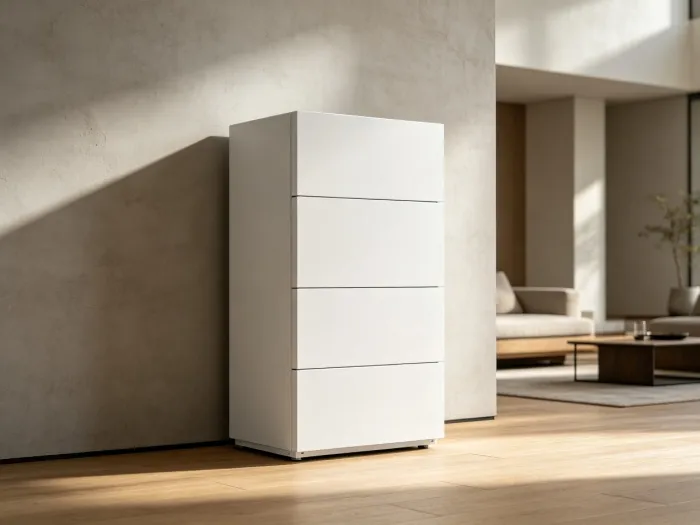
Most home battery enclosures use sheet metal or plastic. Both have clear limitations when the equipment becomes part of the home.
Welded sheet-metal enclosures can show seams, gaps and colour differences that are difficult to eliminate. Painted finishes can yellow, flake or peel over time. Exposed screws, sharp corners and bulky latches add an industrial look that clashes with modern interiors. Coastal and humid environments bring salt spray and acid-rain exposure, raising the risk of rust, coating failure and maintenance costs.
ABS and PC are light and cost-effective, so they are common in entry-level and mid-range systems. But limited UV resistance means prolonged light and oxidation can cause yellowing, scratches, chalking and ageing. Fingerprints and dust can be hard to clean, and the finish often lacks the premium feel higher-end interiors demand. That leaves little room for visual differentiation or premium pricing.
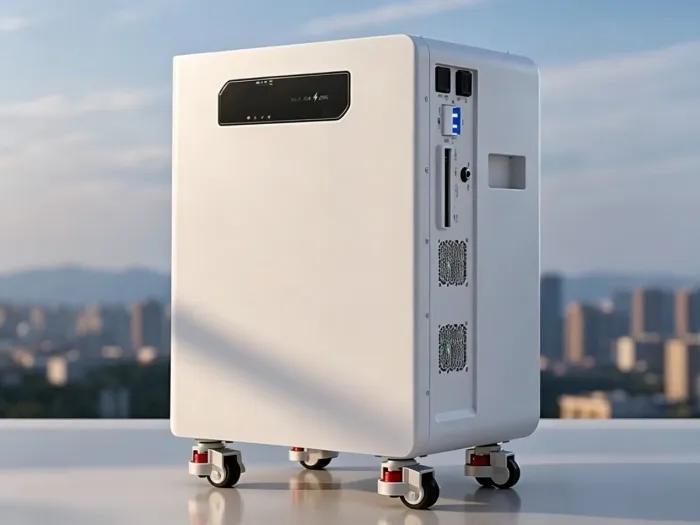
For use in the home, here is how sheet metal, plastic and SuperVIG® printed glass panel compare on impact safety, long-term weather resistance and appearance.
Home battery systems are usually floor-standing or wall-mounted, so everyday impacts are relatively uncommon. All three materials can meet household safety requirements. Sheet metal provides a sturdy structure and dependable impact resistance.
SuperVIG® printed glass panel uses a toughened substrate with strong impact resistance. If it breaks, it forms small granules without sharp corners, providing an additional safety margin.
Plastic offers some flexibility, but strong impacts can dent or crack it, and its long-term stability is more limited.
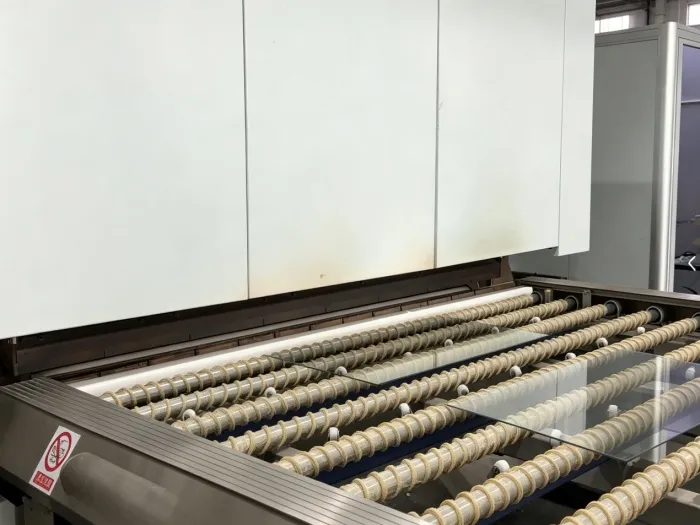
Weather resistance is key to both service life and a finish that stays looking good.
Outdoors or in partly sheltered locations, plastic can show noticeable ageing and fading within a few years.
Sheet metal relies on protective coatings, which can corrode or peel in demanding climates.
SuperVIG® printed glass panel(ceramic) uses high-temperature screen printing to fuse ceramic enamel with the glass. The colour becomes part of the substrate, avoiding the peeling and fading associated with conventional coatings. The glass itself resists ageing and corrosion, helping maintain its appearance on balconies, beside windows and in other demanding home locations.
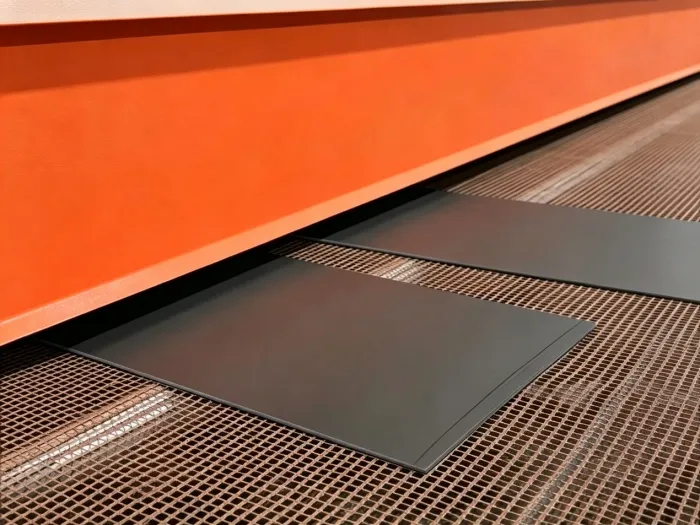
Glossy sheet metal can look harsh and industrial. Plastic can feel basic and quickly look dated. Neither naturally fits a carefully designed interior.
SuperVIG® printed glass panel uses an AG matte finish with a soft-touch feel. Microscopic surface structures diffuse light to reduce glare, while an AF coating lowers surface tension to help keep fingerprints, water marks and dust from sticking. Cleaning is easier too. Muted colours such as space grey, champagne gold and grey-purple suit natural wood, soft cream, modern minimalist and contemporary interiors, helping the battery blend into the room.
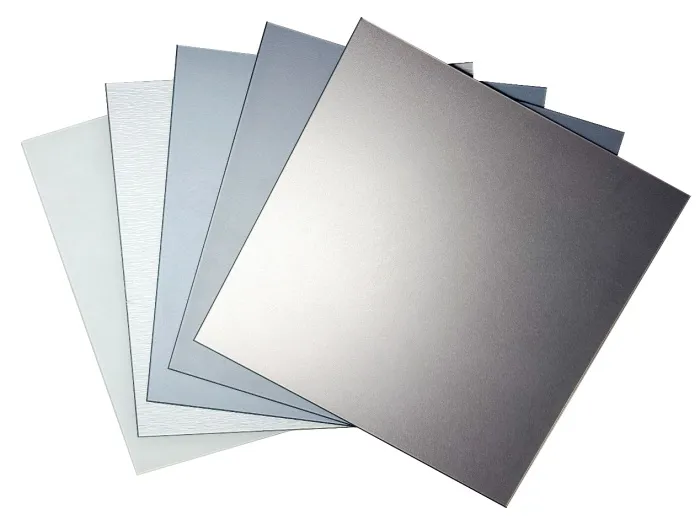
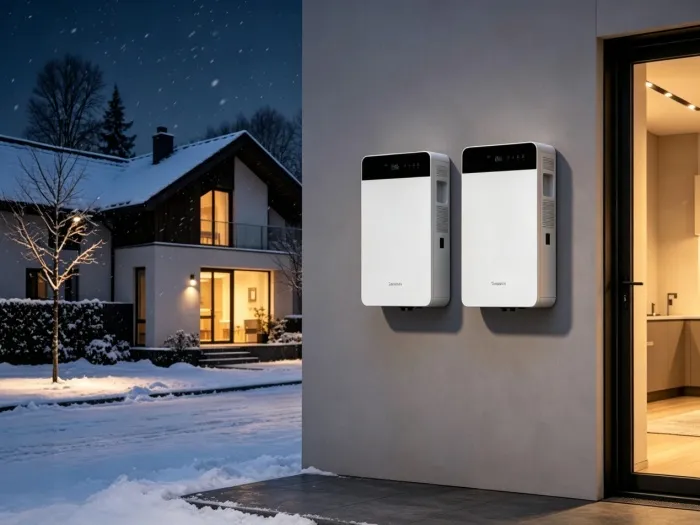
Glass used in homes and outdoors needs careful processing and quality control. SuperVIG® uses standardised manufacturing to address premature ageing, inconsistent colour and poor adhesion, making the finish practical for volume production.
The substrate is architectural-grade toughened glass compliant with GB 15763.2, providing strong impact resistance and structural stability. Two screen-printing routes support development and production: low-temperature printing for quick prototypes and new-product trials, and high-temperature printing for volume manufacturing and long-term outdoor durability.
Quality checks cover UV ageing, salt-spray corrosion, coating performance and colour consistency. Colour difference is controlled to E*ab<0.04 to keep the look consistent across production batches.
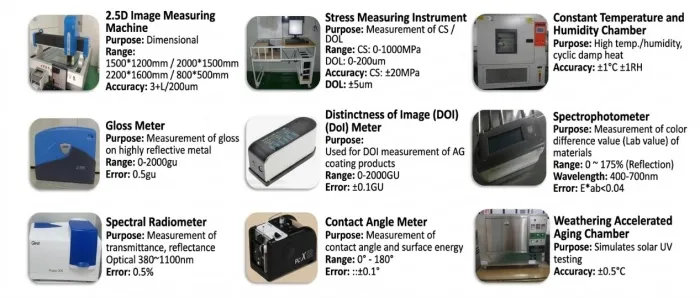
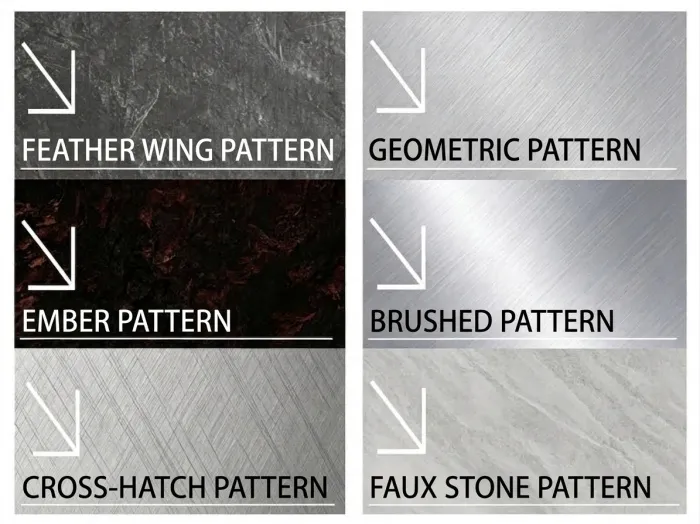
SuperVIG® is a wholly owned subsidiary of Super Tech Advanced Material. Custom options include AG matte finishes, colours, textures, viewing windows and light transmittance. Maximum processing dimensions reach 800 mm×1900 mm, with annual capacity of 4.8 million sets. Support spans early CMF development, structural integration and volume delivery for grid-connection boxes, backup-power boxes, energy controllers and other home energy-storage products.
Competition is moving beyond hardware specs to manufacturing quality, user experience and how well equipment fits the home. Printed glass panels improve appearance and durability while helping brands compete in the mid-to-high-end market, stand out and earn a premium.
The next generation of home battery systems needs to look GOOD~, fit the home, withstand the elements and be practical to manufacture at scale. Sheet metal and plastic have material limitations in premium indoor settings. SuperVIG® printed glass panel combines safety, durability and design with established processes and reliable production capacity, helping energy-storage equipment feel at home.
 English
 日本語
日本語 한국어
한국어 français
 Deutsch
 Español
 italiano
 русский
 português
 العربية
 Türkçe