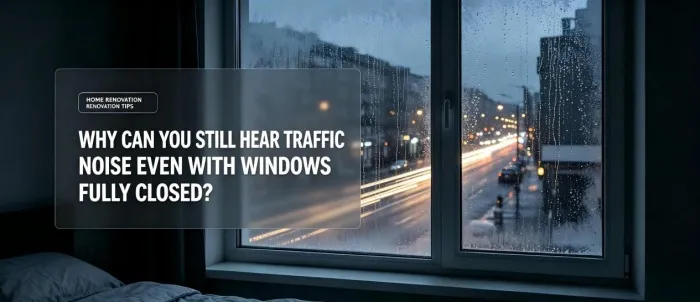
It’s 11 p.m. in the bedroom. Windows shut, curtains drawn, you lie down in bed. A vehicle roars past downstairs. A low hum drifts in. It is not loud, yet it creeps straight into your ears. You toss and turn, covering your head under the covers. It does no good.
Winters bring even more frustrations. When you wake up in the morning, water mist coats the inner surface of the glass. Wipe it off, and within two hours, fog forms again. Window frames stay damp all year round, and over time, mould and dark stains take hold.
What is even more frustrating: many homeowners spend tens of thousands of yuan replacing their window glass, yet noise still seeps in and condensation keeps appearing. Money spent, troubles remain.
Here is the key takeaway: What you imagine insulating double-glazed units to be: high-tech glass for sound and thermal insulation. What they actually are: two panes of glass with a layer of air trapped in-between.
And air acts as an excellent transfer medium. It carries sound and allows heat to pass through.
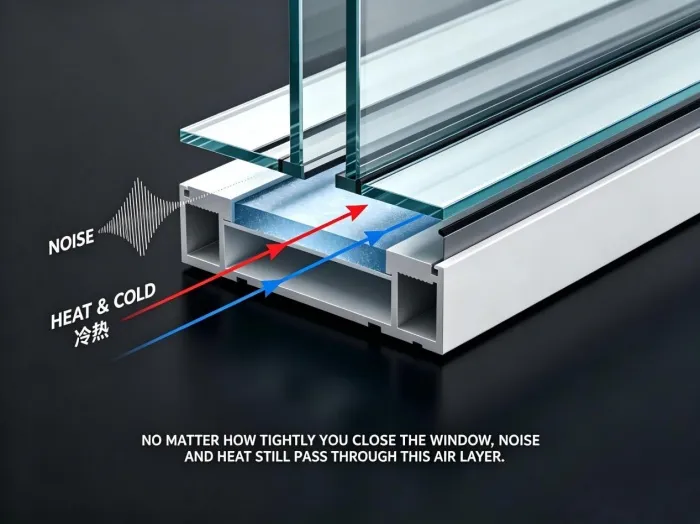
No matter how tightly you close your windows, noise and heat transfer still travel through this air layer.
Some may ask: What about filling the cavity with argon gas? It helps, yet only to a limited extent. The fundamental principle stays the same — sound and heat still propagate through gas.
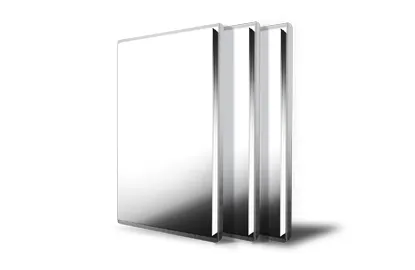
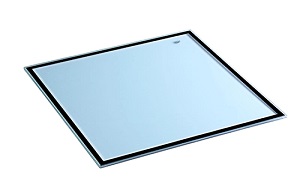
SuperVIG® vacuum glass by Weiaiji adopts a straightforward approach: cut off the root cause.
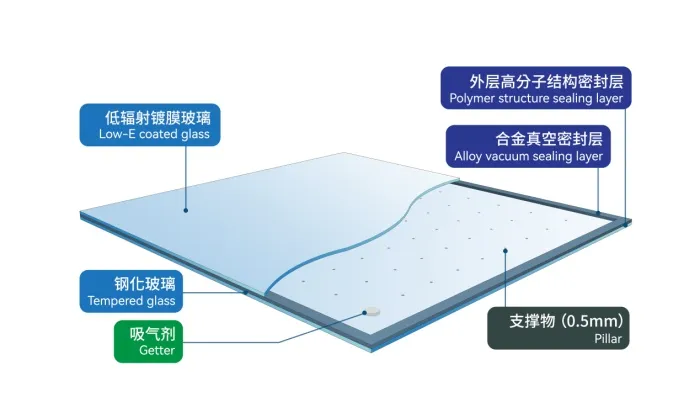
A mere 0.5 mm vacuum gap sits between the two glass panes. No air, no transmission medium.
For sound to travel: there are no molecules to vibrate. For heat to transfer: there is no medium for thermal conduction.
Basic physics tells us: sound requires a medium to propagate — air or solids work, but vacuum does not. Physically, vacuum glass directly blocks the pathways for noise and heat to pass through windows.
Great care goes into its structural design: Tiny support pillars are evenly distributed to hold up the assembly. Specially-developed alloy materials are used for full-perimeter hermetic welding under vacuum conditions. Built-in getters sustain stable vacuum performance long-term.
The whole assembly forms a static vacuum system with long-term reliability.
This is not merely thicker glass or adhesive sound-dampening films; it represents a completely different technical path.
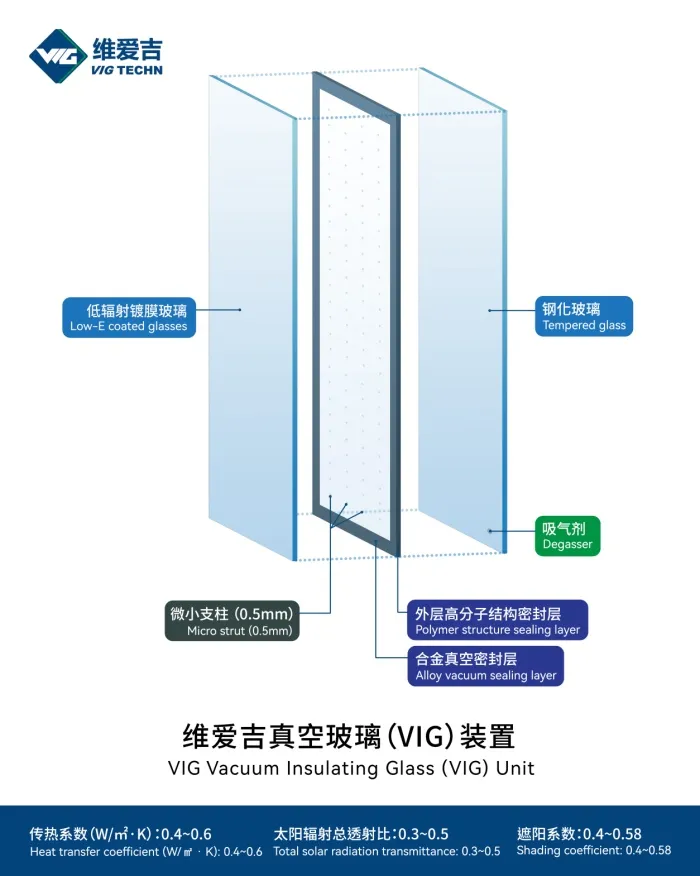
Thermal Insulation: U-value below 0.42 W/(m²·K) Only 1/4 ~ 1/3 of conventional double-glazed units of comparable type. For the same window, heat loss is drastically reduced.
Sound Insulation: Weighted sound reduction index above 42 dB Twice that of double-glazed glass of equal thickness, and 1.5 times that of laminated glass. Its sound-insulating performance approximates that of a solid 200 mm thick brick wall.
In plain terms: with windows closed, your bedroom achieves quietness comparable to having a solid wall between you and outside noise.
Condensation Resistance — the most telling comparison Under high-humidity conditions: outdoor 5 °C, indoor 32 °C: -Ordinary double-glazed glass: condensation occurs at roughly 70 % relative humidity - Triple-pane double-cavity insulated glass: around 80 % RH - SuperVIG® vacuum glass: condensation only appears at 90 % RH
The gap widens further under severe cold of -20 °C: Standard double-glazed glass fogs at about 50 % RH, while vacuum glass resists condensation up to 80 % RH. Within the same household, vacuum glass offers a far larger safety margin against condensation.
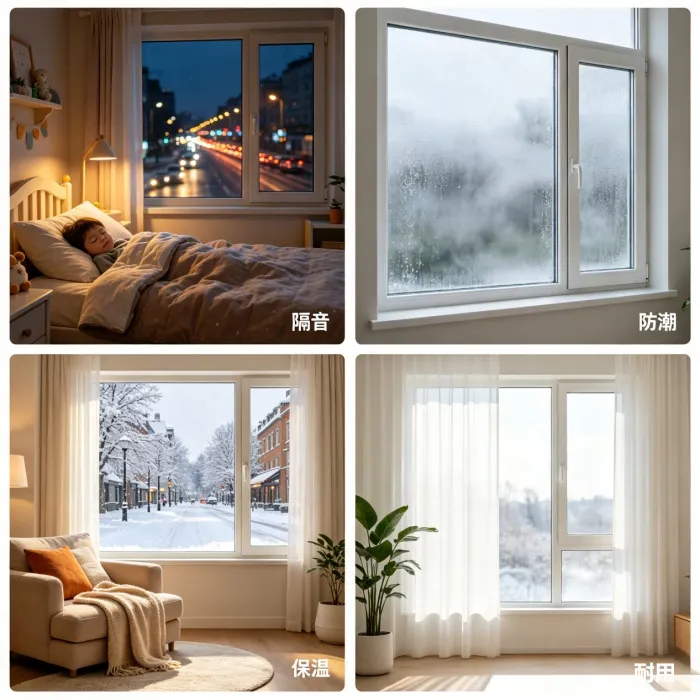
For street-facing master bedrooms and children’s rooms: traffic noise at night is significantly reduced. Earplugs and heavy curtains are no longer your only defence.
In southern China’s humid spring seasons: glass no longer sweats, and mouldy window frames become far less of a nuisance.
During northern heating seasons: you can sit comfortably reading beside windows, with no more cold spots inside the home.
Designed service life exceeds 20 years. Make the right choice once, and enjoy peace of mind for years.
Windows are often compromised during renovation, yet they affect your comfort every single day after you move in.
SuperVIG® Weiaiji vacuum glass is well worth considering if your home features any of these:
Street-side or track-adjacent location with persistent night-time traffic noise
Winter-time glass condensation and mouldy window frames
Previously upgraded to double-glazed windows yet problems persist
Your house may be purchased, but peace and warmth are what you choose for yourself.
 English
 日本語
日本語 한국어
한국어 français
 Deutsch
 Español
 italiano
 русский
 português
 العربية
 Türkçe