Entering a Class 10,000 or even Class 100 cleanroom, you will find air showers, FFU high-efficiency filters, cleanroom garments, and sticky mats. All necessary protective measures are in place.
But there is one thing that almost all facility engineers overlook.
The thick insulation layer on precision high-temperature equipment.
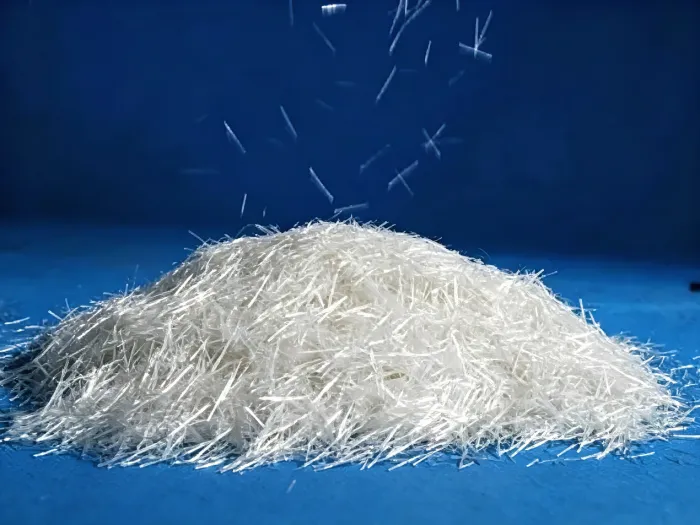
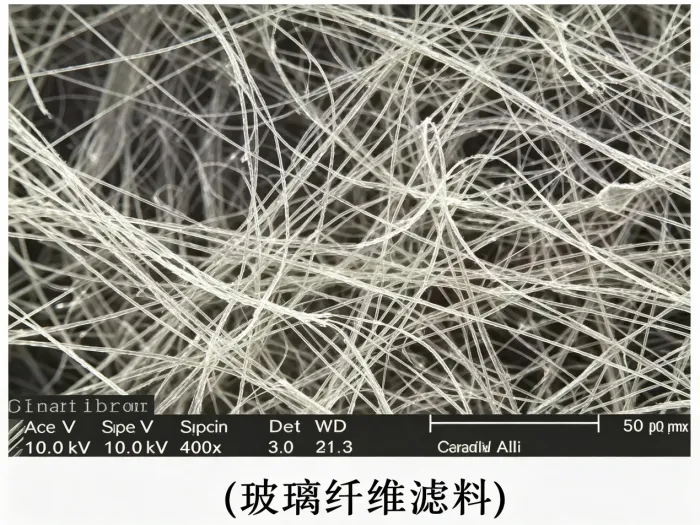
Rock wool, ceramic fiber, and aerogel blankets all have one common characteristic: fiber structures.
During installation, they need to be cut, which can release fibers.
During operation, thermal expansion and contraction occur. The fibers age, become brittle, and gradually turn into powder.
During maintenance, the insulation layer needs to be opened. Dust accumulated over several years can be released all at once.
How small are these fibers and dust particles? They are almost invisible to the naked eye.
They can circulate with airflow and settle on wafer surfaces, optical lens coatings, and precision sensor mechanisms.
There is a saying in the semiconductor industry:
A 0.1-micron particle landing on a wafer may cause a circuit line to short.
What is the value of one batch of wafers? It starts at six figures.
The situation is even more serious in optical lens coating workshops.
If a fiber lands on a lens, it becomes a visible defect after coating.
The entire lens must be scrapped.
This is not an exaggeration.
Many precision manufacturing companies investigate equipment and processes for a long time when yield fluctuates, only to find that the actual cause is fibers released from the insulation layer.
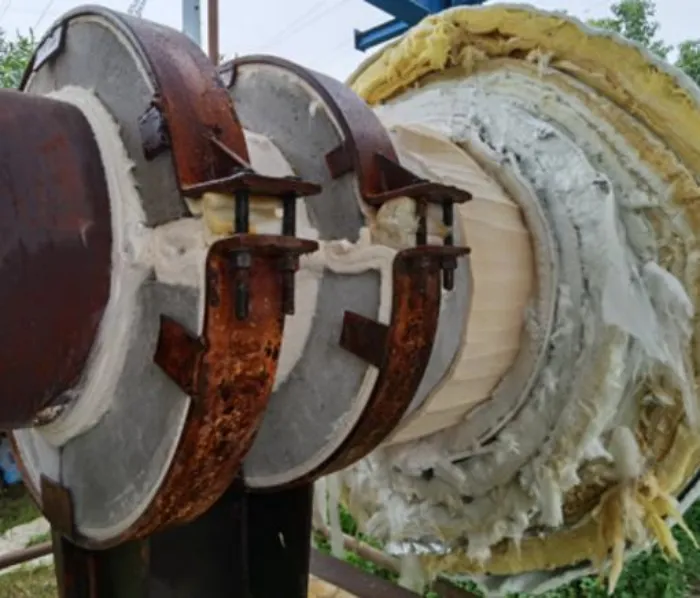
Some people may say, why not use aerogel? However, aerogel particles are even finer. During on-site cutting and bending, ultra-fine nanoparticles can become airborne, making them even harder to control than rock wool.
Some people may say, what about rock wool? Cutting generates a large amount of dust, and the material itself can powder and shed particles after absorbing water and becoming damp.
Ceramic fiber? The European Union has classified aluminosilicate refractory fibers as potential carcinogens. Installation workers must wear full protective equipment, and fiber dispersion is a common issue.
After all, traditional insulation materials share one common weakness:
Their structures are inherently made of loose fibers or porous particles. As long as cutting, aging, or maintenance occurs, dust and fibers are inevitable byproducts.
This is not a problem that can be solved through installation standards. It is an inherent structural limitation of the materials themselves.
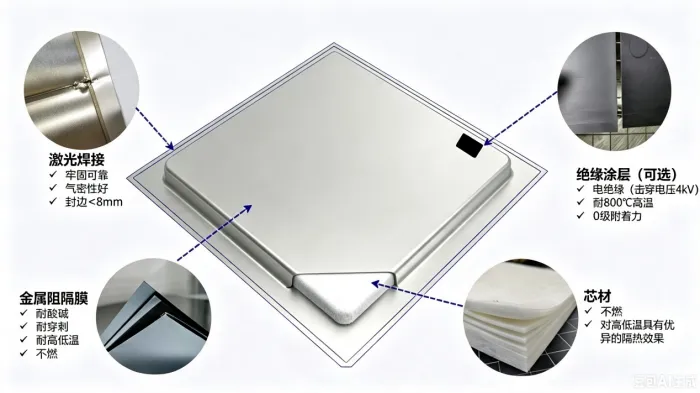
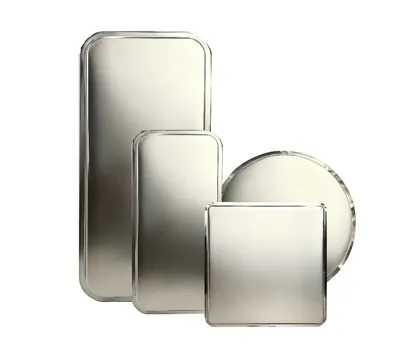
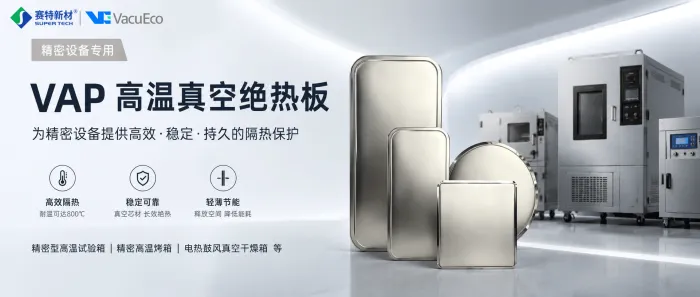
SITER New Materials’ Yujia®VAP High-Temperature Metal Vacuum Insulation Panel takes a completely different approach.
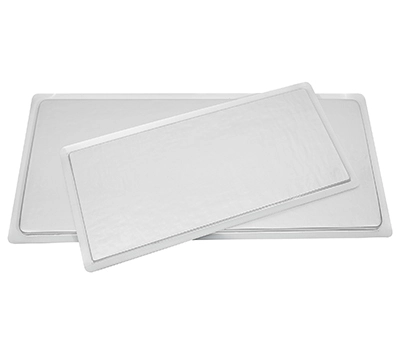
It uses a 0.1mm-thick SUS304 stainless steel prefabricated shell, filled with high-temperature-resistant core material, and then sealed with a stainless steel film of the same thickness through laser welding.
The entire panel forms a fully sealed vacuum metal enclosure.
No fibers are exposed.
No particles are released.
During installation, the panels maintain a regular shape with high rigidity. The cutting edges are sealed with dedicated tape, achieving zero dust throughout the process.
During operation, the metal shell completely locks the core material inside, and nothing escapes even under thermal expansion and contraction.
During maintenance, the panel can be removed by loosening the fasteners. The insulation layer remains intact and can be reinstalled for continued use.
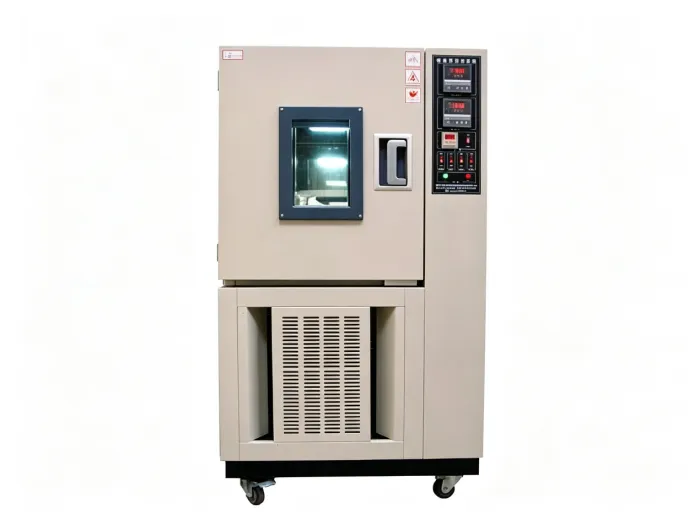
For precision equipment (such as precision high-temperature test chambers, precision high-temperature ovens, and electric blast vacuum drying ovens), this is not just an upgrade of insulation materials.
It replaces a potential source of continuous pollutant release with an inert, stable, and zero-emission metal component.
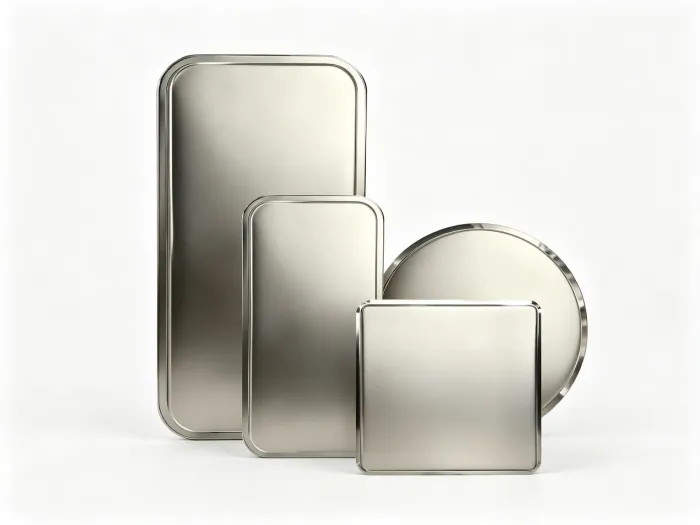
The vacuum structure of Yujia®VAP High-Temperature Metal Vacuum Insulation Panel blocks the three heat transfer paths of conduction, convection, and radiation. Its thermal conductivity is as low as ≤0.0018 W/(m·K).
Under the same insulation performance, its thickness is only one-third of rock wool and one-half of aerogel.
For precision equipment where internal space is extremely valuable, a thickness of 5–20mm provides greater design flexibility.
800℃ temperature resistance: Performance remains stable without degradation under a temperature gradient from 200℃ to 800℃. It does not shrink, crack, or powder.
Its service life is 3-5 times longer than traditional materials.
For cleanrooms, a longer service life means fewer installation activities. Fewer installations mean fewer dust generation risks and fewer production shutdowns for cleaning.
It achieves A1-class non-combustibility, with a compressive strength of 0.15-0.2MPa and puncture resistance ≥207N.
Even if maintenance personnel step on it or tools fall onto it, the panel will not crack or break.
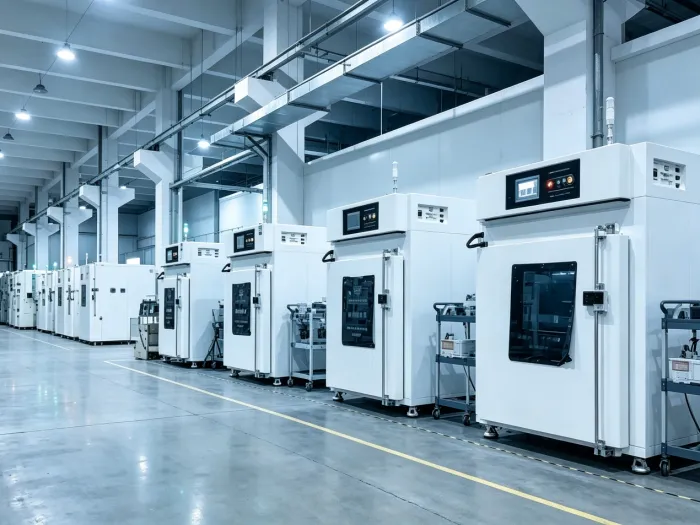
As a listed company in China’s vacuum insulation field, SITER New Materials has been deeply engaged in VIP (Vacuum Insulation Panel) technology for many years. From cold chain appliances to high-temperature industrial applications, from core material formulations to laser welding encapsulation processes, the company has established a complete independent manufacturing system.
Yujia®VAP High-Temperature Metal Vacuum Insulation Panel is a product developed based on this mature technology platform for industrial high-temperature applications. It extends the vacuum insulation principle from cold-chain temperature ranges to high-temperature ranges of 100–800℃, covering applications including industrial furnaces, heat treatment equipment, new energy storage, buildings, chemical industry, metallurgy, and thermal pipeline networks.
For precision manufacturing customers, selecting an insulation material is not simply choosing a thermal insulation component. It is a long-term investment in product yield, equipment stability, and cleanroom compliance.
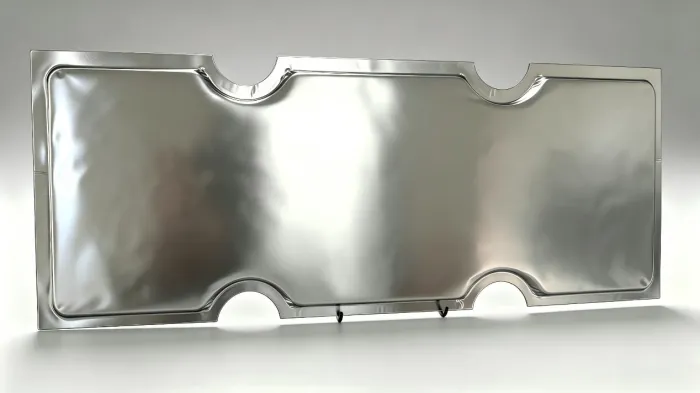
With its fully sealed metal structure, Yujia®VAP High-Temperature Metal Vacuum Insulation Panel eliminates insulation dust contamination at the source. With its extended service life, it reduces installation disruptions. Through vacuum insulation technology, it achieves maximum energy efficiency.
Behind this solution is SITER New Materials’ commitment to the full life-cycle value of industrial customers and its practice of the high-end manufacturing standards of “zero defects, zero contamination, and zero risks.”
 English
 日本語
日本語 한국어
한국어 français
 Deutsch
 Español
 italiano
 русский
 português
 العربية
 Türkçe