If you care how your home looks, home green energy isn't only about kWh per day.
Where does it go?
What does it look like?
Does it suit the architecture?
And will the surface still look decent in a few years?
These are the details that now decide whether a home energy setup reads as premium.
Huawei's official LUNA2000-S1 product materials lead with “streamlined design”, “minimalist aesthetics” and “minimalist frameless”, and build the range around the home: smart energy controller, smart string storage, whole-home backup. Even the storage products are being pitched on clean design and blending into the house.
That shift says something.
Home green energy is turning into a home product.
Not industrial kit hidden in a corner.
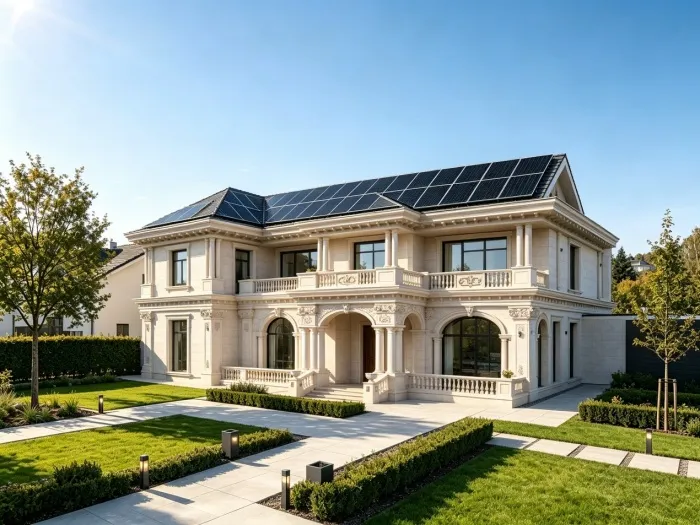
A home PV-plus-storage system is a lot more than rooftop panels.
Smart string storage holds the power, the smart energy controller handles conversion and management, and grid-tie boxes and backup boxes join the setup too.
They end up in the garage, the plant room, or somewhere around the house.
The house has a design language.
The garden has a look.
Windows, walls and appliances all have their own colours and materials.
Drop in one rough, glary, cheap-feeling glass and it sticks out instantly.
So “good-looking” home green energy isn't about making the box pretty.
It's about letting it mesh with the house.
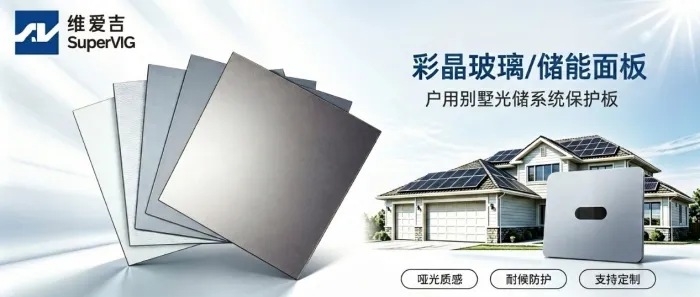
Which is why storage panels — the protective front panels — keep going matte.
And not only for looks.
An AG matte surface is far softer on the eye than a mirror finish. Add colour, texture and touch design and the hardware loses that stiff industrial edge and settles into a modern home.
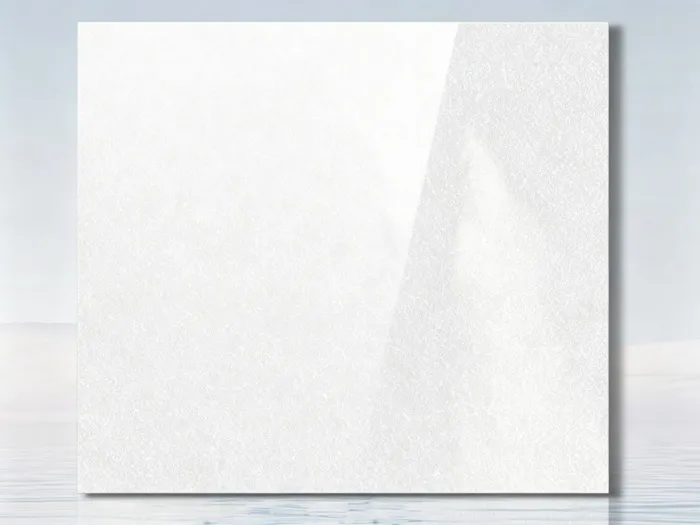
That's where SUPERVIG decorative glass earns its place.
Colour is the first impression.
Texture is the detail.
Surface is the feel.
A good panel isn't glass dyed a colour. It's material doing real design work.
For high-end home storage this looks like a panel material swap, but it's really the step from “equipment” to “part of the house”.
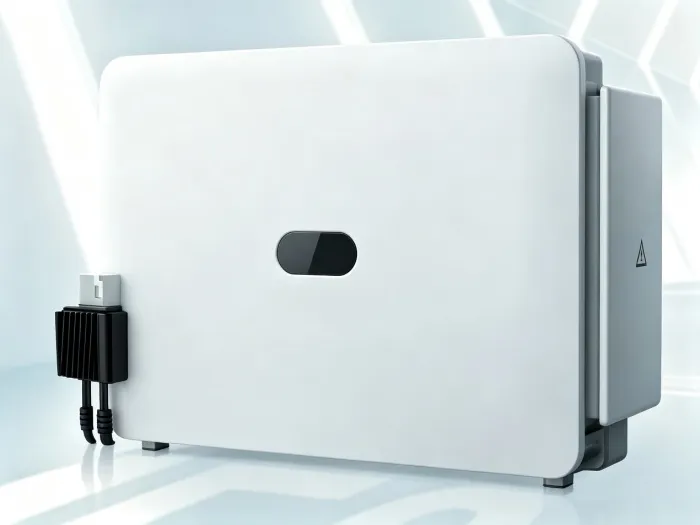
Home energy hardware differs from indoor appliances in one obvious way.
It lives outdoors for years.
Sun, heat, damp, temperature swings, and salt spray near the coast are all on the material's job description.
Looking good on install day says nothing about year five.
Has the colour shifted?
Has the gloss changed?
Is the AG effect holding up?
That's where the material is really tested.
So good colour crystal glass isn't judged on day one. It's judged after years outside.
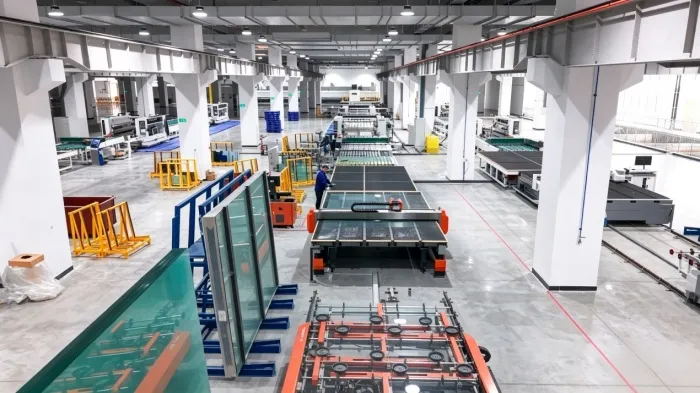
SuperVIG® colour crystal glass covers AG soft-touch, custom texture, custom colour and high-temperature printing, backed by testing for dimensions, stress, colour difference, gloss, weathering and environmental exposure.
It isn't “glass, but coloured”.
It's glass as part of the product design.
Colour can carry the brand.
Texture can carry the style.
Matte can carry the look.
And touch is what people judge the second they get close.
Looking good has become an engineering problem.
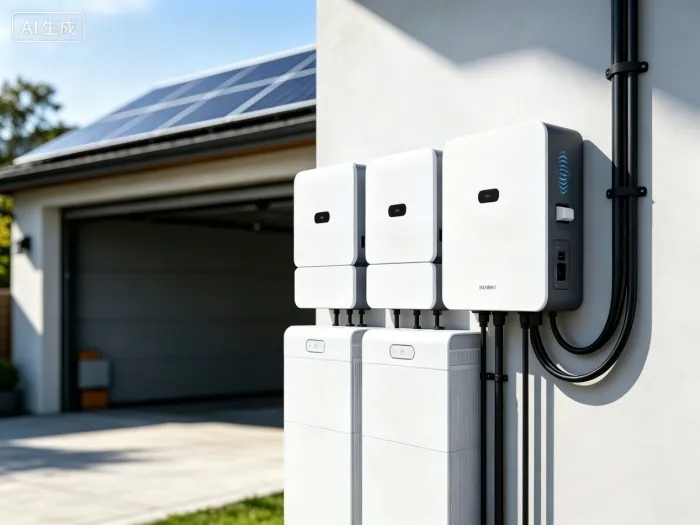
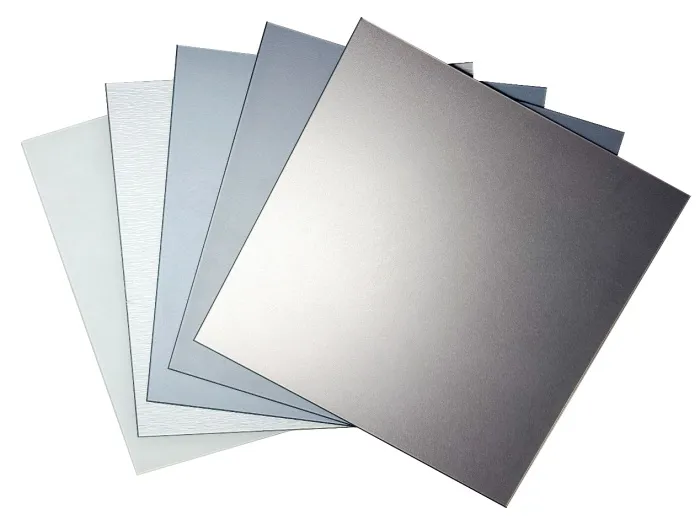
For storage panels, grid-tie boxes and backup boxes, colour crystal glass does double duty: visual design and surface protection.
SuperVIG® runs a range of tests throughout production.
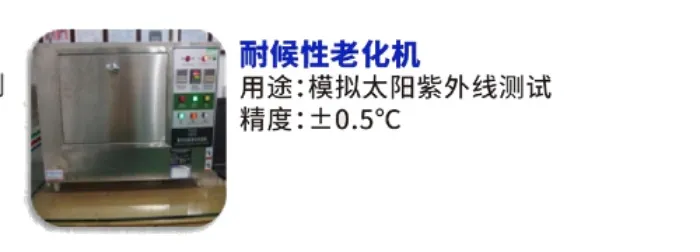
Weathering chambers simulate UV exposure for accelerated ageing tests.
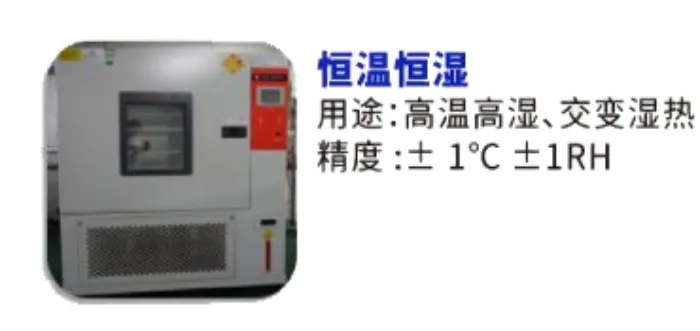
Constant temperature and humidity chambers cover high heat, high humidity and damp-heat cycling.
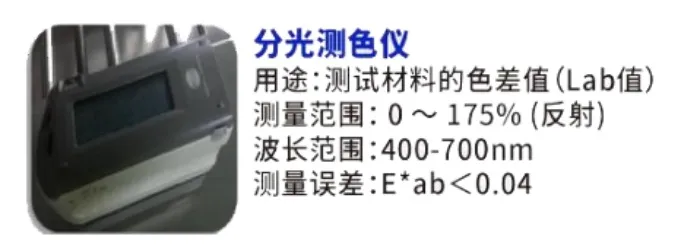
A spectrophotometer reads Lab colour data to track colour shift.
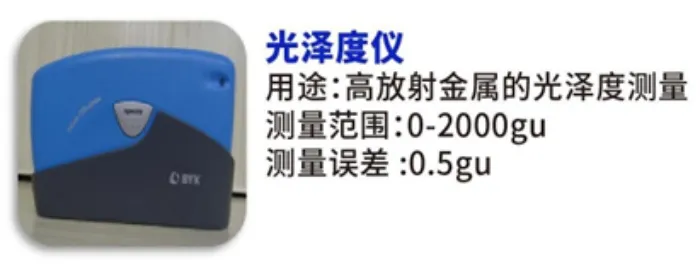
A gloss meter measures surface gloss.
And for AG products, DOI measures distinctness of image.
It sounds very technical. The question behind it is dead simple.
Will this glass keep its colour, gloss and surface feel?
That's the line between an industrial material and a decorative one.
Pretty takes design.
Staying pretty takes manufacturing and testing.
But all of it answers something anyone can see.
Years in, does it still look good?
That's what the testing is actually for.
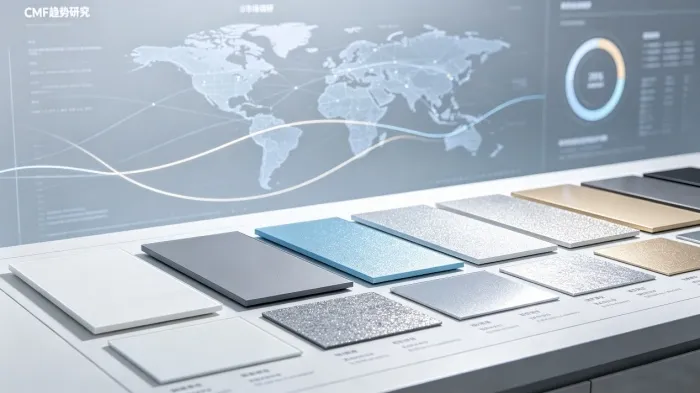
From appliance glass to home energy hardware, SuperVIG® was never really about the glass on its own.
If you care about your home, green energy isn't only an energy decision. It becomes part of the space you live in.
The design has to be buildable.
The colour has to hold.
The surface has to feel like something.
The dimensions have to stay tight.
And the material has to survive real conditions.
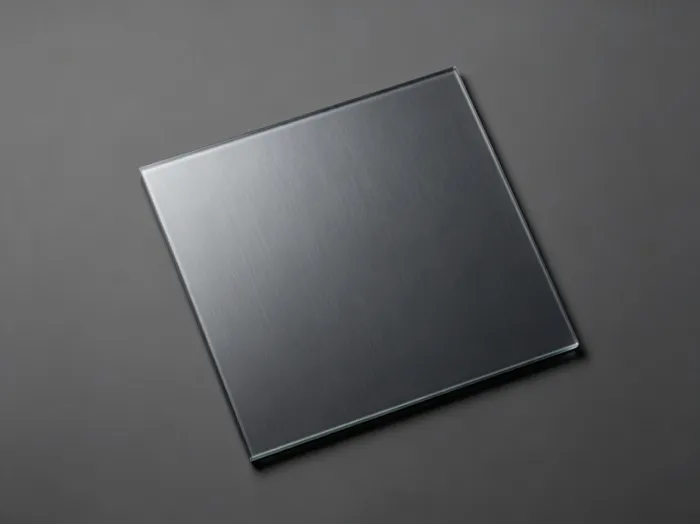
That's exactly the gap SuperVIG® colour crystal glass is built for.
Look good, and take the weather.
Serve the product design, and serve the long haul.
As home green energy moves into higher-end homes, the hardware has to graduate from “equipment” to “product”.
Good-looking hardware is part of what makes a home feel good.
Material that survives the years is what makes it real.
 English
 日本語
日本語 한국어
한국어 français
 Deutsch
 Español
 italiano
 русский
 português
 العربية
 Türkçe