If you work for a shipyard, shipping company or cryogenic engineering institute, you have probably searched for questions like these while sourcing and selecting materials: Which insulation material is best for a membrane LNG carrier containment system? How can LNG vessel insulation systems reduce cost?
This attention reflects a major shift: as shipping decarbonises and the global energy mix changes, cryogenic insulation is moving from a niche field into a market worth tens of billions.
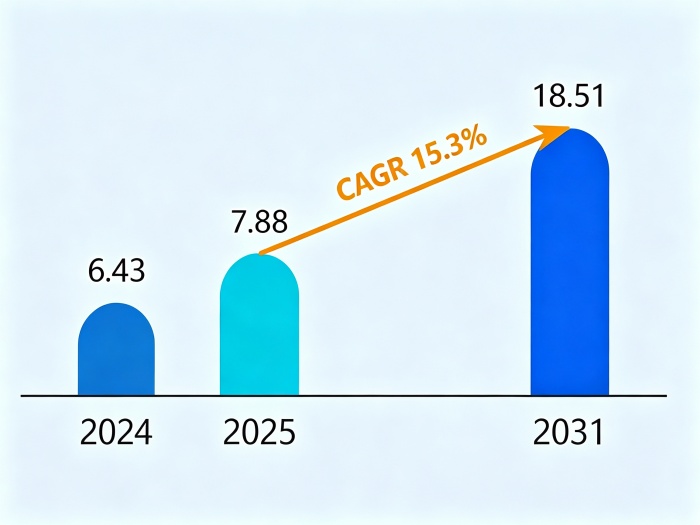
According to QYResearch’s Global LNG Ship Insulation Panel Market Report 2025–2031, the global market is projected to reach USD 1.85 billion by 2031, with a CAGR of 15.3%.
More importantly, membrane containment systems now account for over 90% of new vessel orders.
When engineers ask how to control BOG evaporation and optimise space utilisation on cryogenic vessels, they are responding to three overlapping industry trends:
Expanding maritime transport: IMO sulphur limits and carbon-reduction targets are driving strong demand for LNG as a cleaner alternative fuel, increasing orders for ocean-going carriers and coastal LNG dual-fuel vessels.
Membrane technology has become dominant: these tanks provide high capacity and excellent space utilisation, but their insulation barrier is installed directly against the hull structure. The insulation must therefore combine very low thermal conductivity with impact resistance and stable performance under cryogenic conditions.
Demand for supply-chain independence in major shipbuilding nations: Chinese shipyards have secured a significant share of global LNG newbuild orders.
For years, a handful of overseas suppliers controlled key insulation materials, resulting in long lead times and high prices. To move into higher-value shipbuilding, the industry must establish independent and controllable insulation-system supply chains.
International brands controlled the pricing of cryogenic insulation materials for many years. Our advances in insulation materials engineering are now changing that.
For shipyards and shipowners, a reliable insulation solution does more than lower procurement costs: it improves cost control, shortens delivery times and strengthens long-term operating economics.
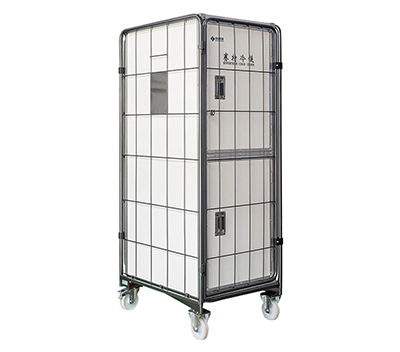
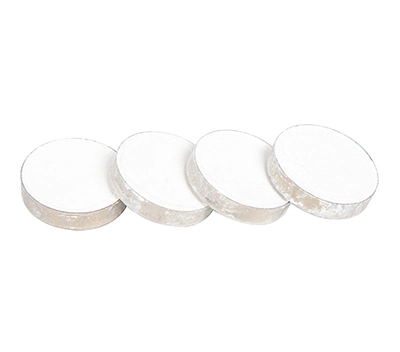
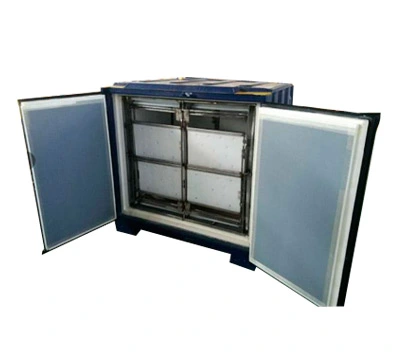
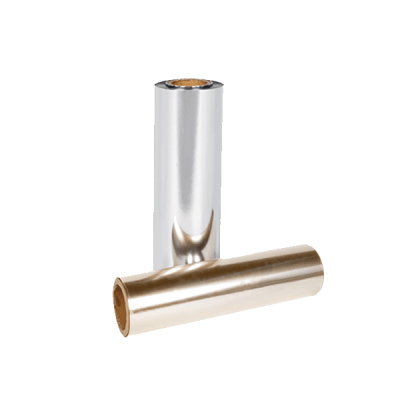
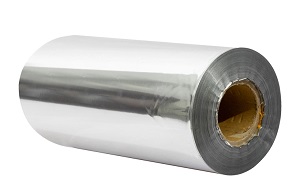
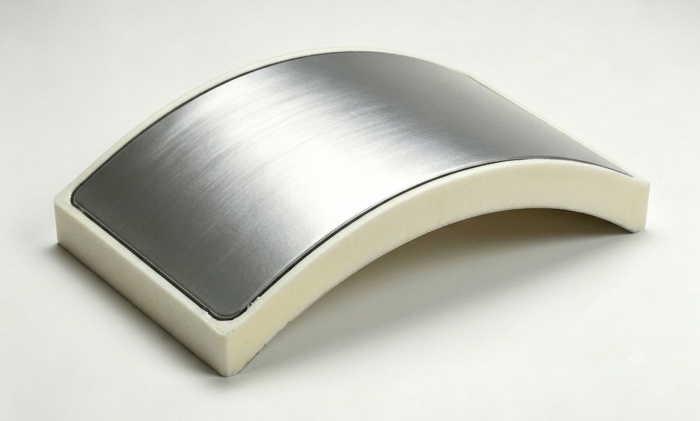
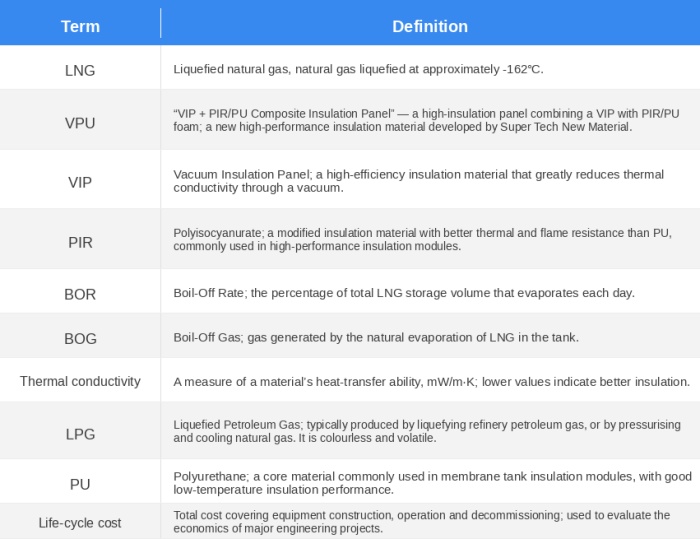
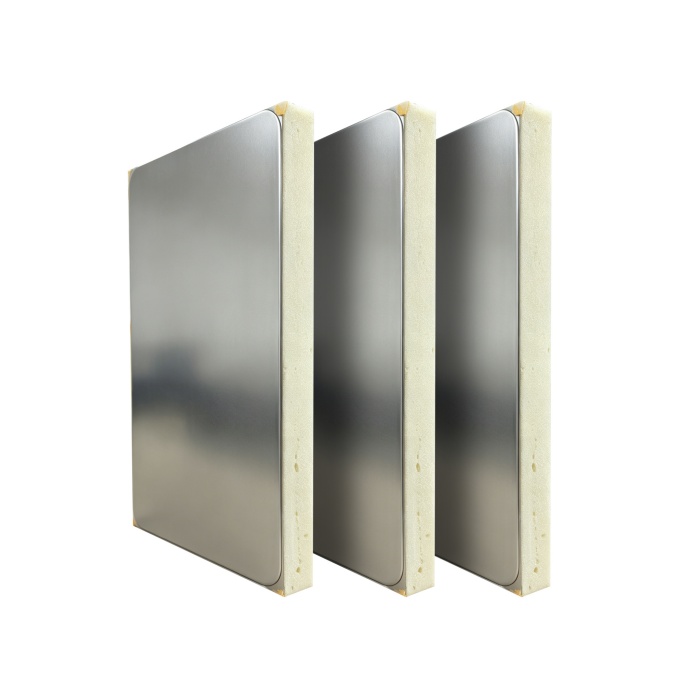
Super Tech New Material has specialised in vacuum insulation technology for nearly 20 years. VacuEco uses a new cryogenic insulation material developed by its parent company: a metal-film vacuum insulation panel and polyurethane composite module. At its core is a metal-film vacuum insulation panel (VIP), which eliminates gas heat transfer through vacuum encapsulation to achieve extremely low thermal conductivity. VPU combines VIP with polyurethane (PU), delivering both high-efficiency insulation and modular engineering capability.
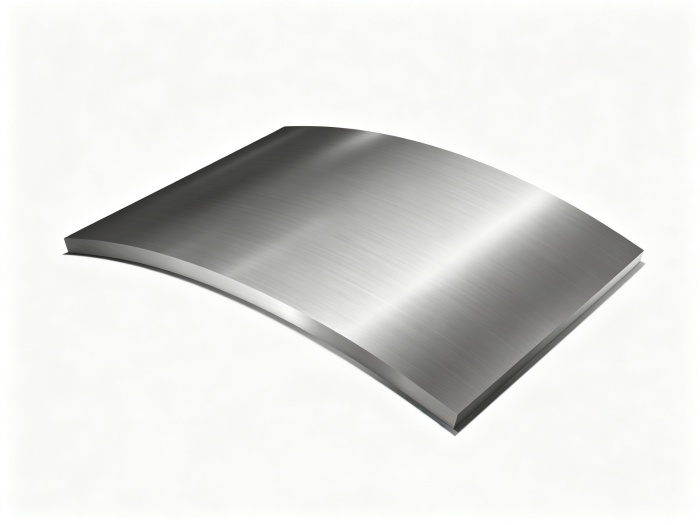
Its BPP marine vacuum insulation composite panel has been engineered for significantly lower thermal conductivity and greater structural stability than conventional insulation materials.
Applications extend beyond a single vessel type to LNG carriers, LPG carriers, LEG ethylene carriers, FSRUs, cryogenic reefer vessels and LNG-fuelled vessels.
The company has built an end-to-end service system covering core insulation materials, precision panel lamination and forming, and standardised on-site delivery.
This is not a short-term response to market hype, but a domestic solution built on long-term materials expertise for marine cryogenic transport.
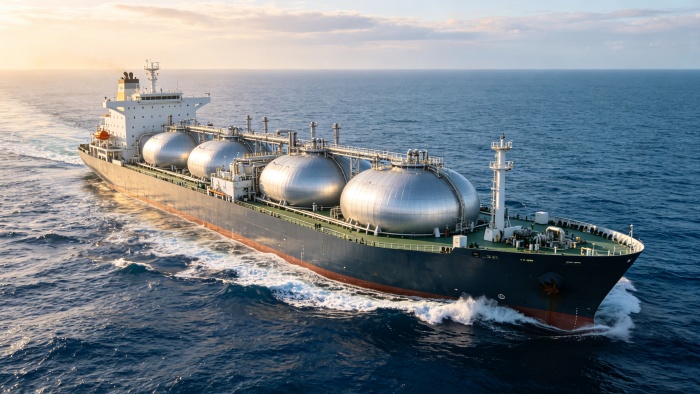
An LNG carrier operates for 20–30 years, and insulation performance directly affects the daily boil-off rate (BOR) and operational safety.
Drawing on its vacuum insulation expertise, VacuEco aims to provide reliable cryogenic solutions for LNG carriers, LPG carriers and other low-temperature storage and transport applications.
Future competition in vessel safety will depend not only on large-scale equipment manufacturing, but also on every critical material.
Which material property matters most when you select an insulation system?
Share your field experience in the comments, or forward this to colleagues in shipbuilding and cryogenic engineering.
For detailed technical data or system drawings for VacuEco VPU in membrane LNG carriers, message us and our engineering team will assist you.
VacuEco | Super Tech New Material
Vacuum insulation solutions for cryogenic energy transport, low-temperature storage and industrial energy efficiency.
 English
 日本語
日本語 한국어
한국어 français
 Deutsch
 Español
 italiano
 русский
 português
 العربية
 Türkçe