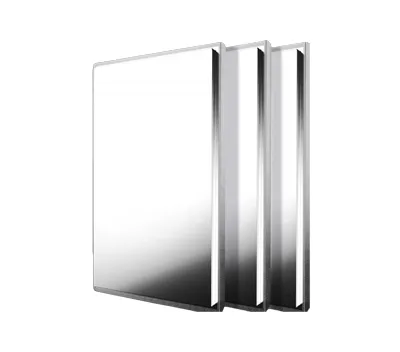
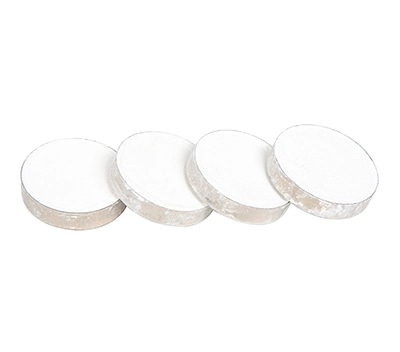
Pull up cryogenic-engineering or LNG/LPG ship insulation drawings from the last few years and one trend jumps out: the insulation layer keeps getting thinner.
Old-school engineering logic was basically: if you want LNG at -162℃ or even colder safely locked in, you’d better pile on 10–20 cm of insulation or it just doesn’t feel right. But materials have moved on — that old rule is already being broken.
No fluff today. Let’s go straight to the physics and see how cryogenic insulation can be both thin and seriously powerful.
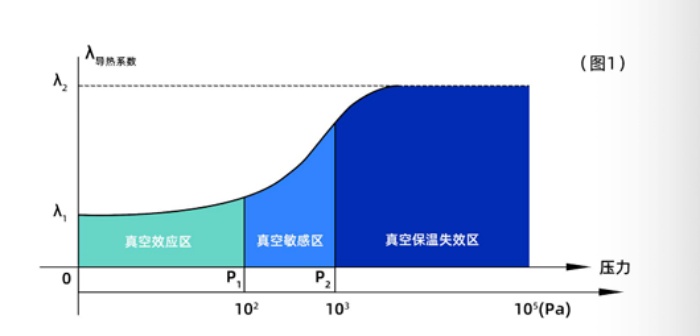
If you work in engineering, you know the drill: conventional insulation is basically fighting 4 heat-transfer paths at once:
λ total = λ solid conduction + λ gas conduction + λ radiation + λ convection
At normal temperature and pressure, air is already a natural heat-transfer medium. Molecules collide and move heat around, so gas conduction and convection do most of the work.
VIP takes a very simple approach: if gas is carrying heat, get rid of the gas. Pull the inside into a vacuum.
Once most gas particles are removed, gas conduction and convection drop to almost zero. Then a porous, high-thermal-resistance core suppresses solid conduction and thermal radiation too. End result: overall thermal conductivity drops hard.
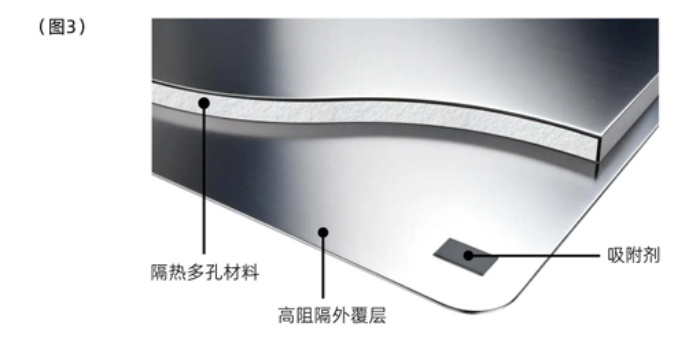
The physics is easy to explain. The hard part is putting it on an LNG ship or cryogenic tank that may serve for decades and asking one brutal question: how do you keep that vacuum stable for decades?
VacuEco VPU does it by stacking 2 structural protection layers:
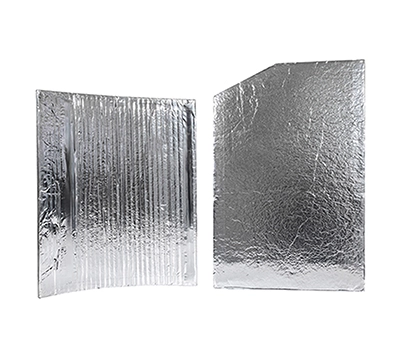
Layer 1 (high-barrier outer layer): instead of a conventional soft pouch, it uses a high-barrier stainless-steel-encapsulated vacuum insulation panel — basically hard armor around the vacuum. Traditional VIP barrier films can have relatively high leak rates, making service life hard to guarantee. Super Tech’s metal barrier offers performance at least 2 orders of magnitude higher than traditional films; in theory, service life can reach at least 80 years.
Layer 2 (gas adsorbent): built-in gas adsorbents help maintain the internal vacuum, extend service life, and keep insulation performance stable across the full life cycle.
Then a special PIR/PU foam layer goes on the outside. That pushes fire performance up and gives the module much better impact and puncture resistance during installation.
PU, phenolic foam, and expanded perlite are all common in LNG/LPG tank insulation, but they eat up a lot of space.
Quick side-by-side: take 100mm polyurethane foam as the baseline for the same insulation performance. Here’s roughly how thick each material needs to be:
Material | Thickness needed for equivalent insulation performance |
Expanded perlite | ~180mm+ |
Glass wool | ~160mm+ |
Polystyrene | ~150mm+ |
Polyurethane foam | ~100mm |
VacuEco VPU | ~40mm |
So for the same insulation effect, VPU needs only around 1/4 to 1/5 the thickness of traditional materials.
On a ship, every centimeter of tank space is money. Save a few centimeters on insulation and you get valuable loading volume back — which goes straight into the economics of each vessel.
Shipowners and shipyards don’t pick materials off one number. What matters is the whole-system performance:
Very low overall thermal conductivity can significantly reduce daily LNG/LPG boil-off (BOR), taking pressure off the reliquefication system.
No fiber dust and no VOCs or other volatile substances — built to meet strict environmental and health requirements for enclosed ship spaces.
The stainless-steel enclosure resists aging and puncture, and the corner process is tightly controlled. Even after years of wave motion and vibration at sea, it can maintain an extremely low overall leak rate and stable performance.
Good cryogenic insulation isn’t about piling on more material. It’s about locking in every bit of cold energy in the limited space you have.
VacuEco | Super Tech Advanced Material
Focused on vacuum insulation technology, delivering high-efficiency cryogenic insulation solutions for energy transport and storage.
 English
 日本語
日本語 한국어
한국어 français
 Deutsch
 Español
 italiano
 русский
 português
 العربية
 Türkçe