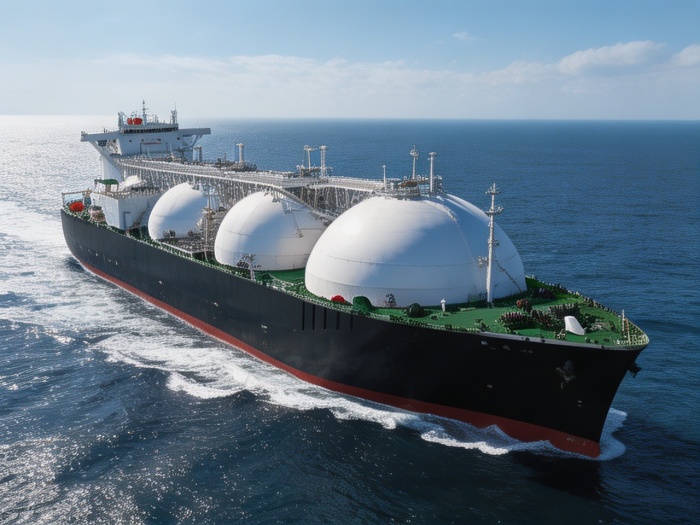
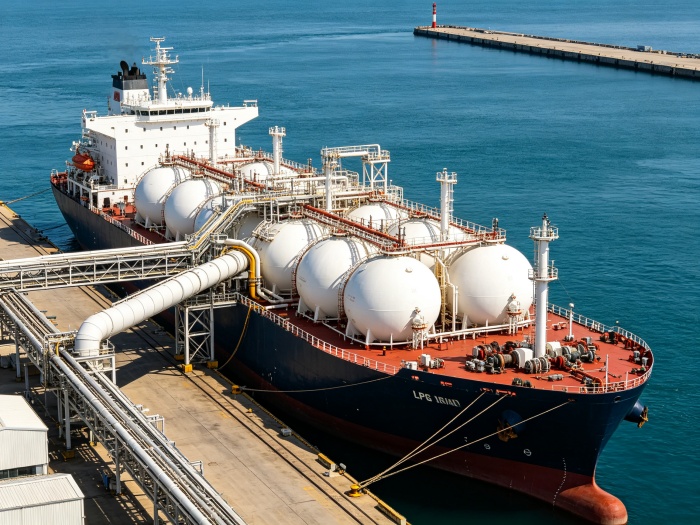
LNG ships are called the “crown jewel” of shipbuilding for a reason: the technical barriers are high and the build is seriously complex. As China’s shipbuilding supply chain has matured, core components from cryogenic steel plate and cargo pumps to navigation systems have steadily shifted to domestic supply. Insulation for cargo containment systems has already been localized too.
But that’s not where the competition ends. Shipowners and shipyards have moved from “we have an insulation solution” to “we want better cold retention, more usable tank volume, and stable performance for the long haul.”
Whether it’s a membrane LNG ship using Mark III/NO96-type containment insulation or the external insulation on a self-supporting tank, conventional systems are getting close to their limits at -162℃ — in thermal performance, thickness, and boil-off control.
So the new question is: how do you use better insulation tech to free up cargo volume, cut energy use, and keep more of the supply chain under domestic control?
In LNG/LPG cryogenic service, a real performance upgrade isn’t just swapping one material for another. You have to solve 3 problems at the same time:
Temperature hurdle: LNG is stored and transported at around -162°C under normal pressure. That puts huge demands on thermal conductivity and structural stability. Conventional insulation can struggle to hold performance over long-term cryogenic service, and BOR depends directly on how the insulation performs in the real system.
Technology hurdle: vacuum insulation is a system game, not a single-material contest. Polyurethane foam, PIR, adsorbents, laser welding, testing standards — every link has to work together. One weak link can degrade vacuum, create local cold bridges, raise vessel boil-off, and shorten real service performance over the ship’s full life cycle.
Certification hurdle: classification societies such as DNV, ABS, and CCS have tough certification standards and strict processes for marine insulation. Materials need full-condition performance verification before they can enter mainstream containment-system supply chains.
That’s why localization by itself isn’t the finish line. Domestic solutions that can handle high-end vessel types and extreme performance targets are still rare. What the market really needs is a localized upgrade that can go head-to-head with top international solutions.
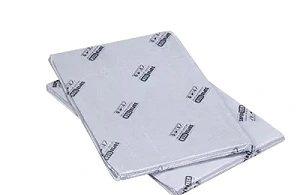
To meet that performance jump, VacuEco built on nearly 20 years of vacuum-insulation know-how from parent company Super Tech Advanced Material and came up with the next-step answer: the VPU composite panel.
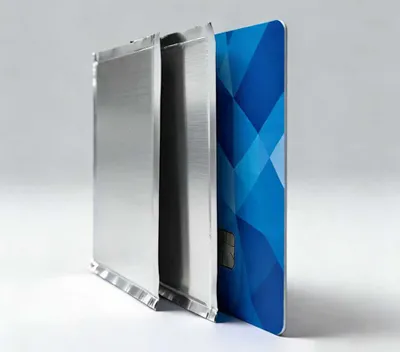
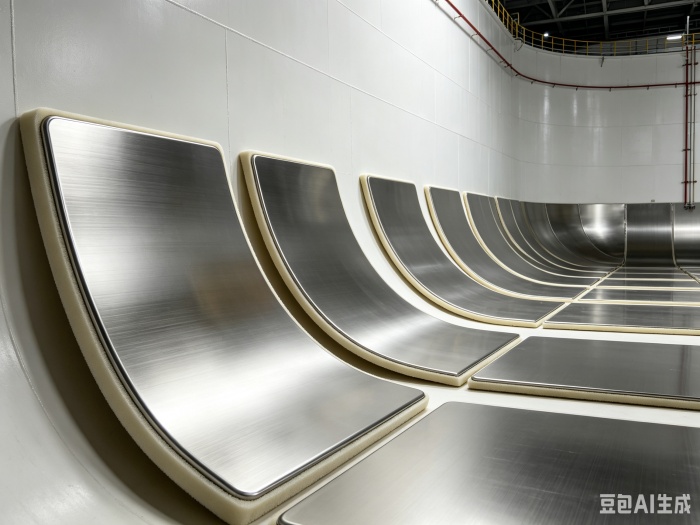
In-house stainless-steel-encapsulated vacuum insulation panel (VIP), with measured thermal resistance more than 6.2x that of conventional solutions
VIP + PIR foam → VPU composite panel, designed specifically for LNG/LPG cryogenic service. It balances thermal conductivity and structural stability, creating the material basis for lower boil-off and better cargo-volume utilization.
Full supply-chain control: from core material and barrier film to adsorbents and encapsulation equipment, 80+ core technologies are developed and controlled in-house, reducing dependence on external critical suppliers.
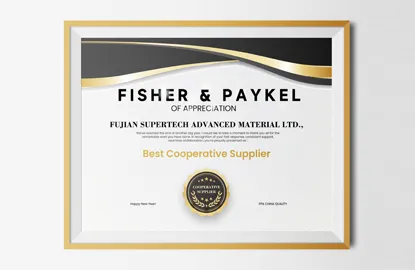
National Intellectual Property Advantage Enterprise
National-level Specialized and Innovative “Little Giant” Enterprise
National Torch Program Key High-Tech Enterprise
Participant in industry-standard development
From the technology stack to the credentials, this is what nearly 20 years of vacuum-insulation work at Super Tech Advanced Material (STAR Market-listed, stock code: 688398) has built. It’s also the foundation that lets VacuEco VPU move into high-safety applications such as LNG and LPG ships.
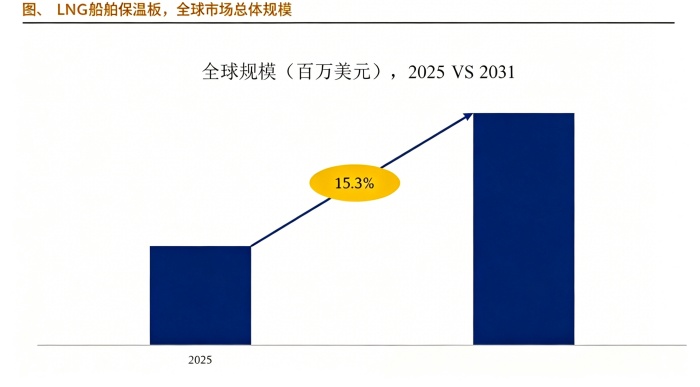
According to QYResearch’s Global LNG Ship Insulation Panel Market Report 2025-2031:
CAGR: about 15.3%
Projected 2031 market size: USD 18.5 × 100 million (about USD 1.85 billion)
In 2024, Membrane Type vessels made up more than 90% of new LNG ship orders worldwide, opening up even more demand for cryogenic insulation materials.
Data disclosed by Clarkson, GIIGNL, and others show global LNG trade and new vessel orders rising in recent years. Chinese yards including Hudong-Zhonghua and Jiangnan Shipyard already have orderbooks stretching beyond 2029. The more packed the shipbuilding slots get, the more urgent localization of materials and equipment becomes.
VacuEco’s VPU composite panel is landing right in this market window — moving from in-house technology control into large-scale engineering deployment.
Want real VPU application cases and technical specs for LNG/LPG ships and marine tanks? Follow VacuEco or DM us for the full details.
 English
 日本語
日本語 한국어
한국어 français
 Deutsch
 Español
 italiano
 русский
 português
 العربية
 Türkçe