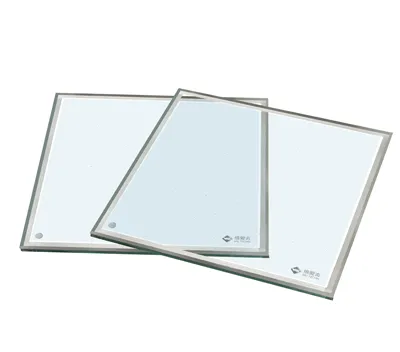
In an era of rising energy costs and stringent efficiency standards, vacuum insulation panels have emerged as one of the most effective vacuum insulation material options available. Whether you're a manufacturer, builder, or procurement specialist searching for vacuum insulation panels for sale, understanding how to evaluate VIP panels' price, performance, and suitability is essential. This comprehensive buyer's guide draws from industry-leading practices to help you make informed decisions when sourcing from vacuum insulation panel manufacturers.
Vacuum insulation panel (VIP) technology uses a vacuum-sealed core to achieve dramatically lower thermal conductivity than traditional materials. Ultra-thin vacuum insulation variants, in particular, deliver outstanding performance in space-constrained environments, making them popular for vacuum insulation panel refrigerator applications, building retrofits, and cold chain logistics.
High-performance vacuum insulation stands out because it can achieve thermal conductivity as low as 1.5 mW/(m·K), offering R-values up to 10 times higher than conventional foams in much thinner profiles. This translates to significant space savings, reduced energy consumption, and long-term cost benefits despite the higher initial vacuum insulation panel cost.
Key buying motivations include:
· Maximizing usable space in appliances and buildings
· Meeting Class A energy efficiency standards
· Enabling passive, zero-energy cold chain solutions
· Supporting sustainable construction with slim, high-performance envelopes
Purchasing vacuum-insulated panels requires careful evaluation of several technical and practical aspects:
1. Thermal Performance: Look for initial conductivity below 4.5 mW/(m·K) and verified long-term stability. Advanced vacuum insulation from reputable suppliers includes high-quality getters and barrier films to minimize aging.
2. Thickness and Dimensions: Ultra-thin vacuum insulation board options (as thin as 1-5mm) are ideal for refrigerators and retrofits. Measure your available space accurately since VIPs generally cannot be cut on-site without losing vacuum integrity.
3. Core Material: Fiberglass cores offer excellent baseline performance and affordability. Fumed silica cores provide better longevity and wider temperature tolerance (-196°C to 800°C in specialized versions).
4. Barrier Film Quality: Multi-layer films with nano or aluminum barriers resist gas permeation. Superior films extend service life significantly.
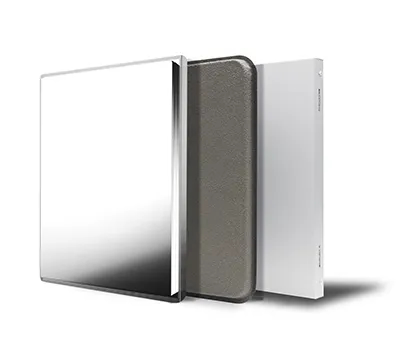
5. Protective Encapsulation: Options like stainless steel or aluminum base vacuum insulated wall panels enhance durability and fire resistance for building use.
6. Application-Specific Features: Puncture-resistant vacuum armour panel, high-temperature metal VIPs for ovens, or lightweight versions for vehicles.
7. Certifications and Testing: Request data on aging tests, fire ratings (Class A preferred), and environmental compliance (no ODS substances).
8. Customization: Leading vacuum insulation panel suppliers offer OEM/ODM services, special shapes, and integrated solutions.
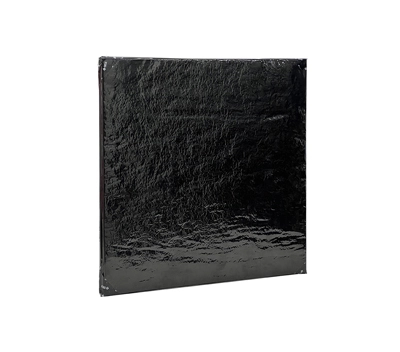
The market offers diverse VIP insulation panels tailored to different needs:
· Fiberglass-based Rectangular and Special-Shaped VIPs: Versatile for standard refrigeration and building applications.
· Fumed Silica Vacuum Insulation Panels: Longer lifespan and stable performance for demanding cold chain or extreme temperatures.
· Ultrathin Vacuum Insulation Board: Space-saving designs with top-tier conductivity.
· Stainless Steel or Aluminum Base Building VIPs: Fire-resistant and durable for walls, roofs, and floors.
· Metal Vacuum Insulation Panels: High-temperature resistant up to 800°C for ovens and industrial equipment.
· Lightweight and Armour Panels: Optimized for transport, vehicles, and puncture-prone environments.
· Class A Energy-Efficient Panels: Specifically engineered for premium refrigerators.
When comparing VIP panels options, prioritize those matching your project's temperature range, mechanical stress, and expected service life (typically 15-30+ years).
The table below helps evaluate the vacuum insulation panel against alternatives:
Insulation Type | Thermal Conductivity (mW/m·K) | Thickness for Equivalent R-Value | Durability / Lifespan | Best Applications | Relative Cost | Key Limitation |
Vacuum Insulation Panel (VIP) | 3.0 - 4.5 | 15-30 mm | 15+ years | Appliances, Cold Chain, Buildings | Medium-High | Cannot be cut on site |
Polyurethane Foam | 20-30 | 100-150 mm | 10-20 years | General construction | Low | Higher thickness, lower efficiency |
Fiberglass Batt | 30-40 | 150-200 mm | 20+ years | Walls & attics | Low | Bulky, moisture-sensitive |
Mineral Wool | 30-35 | 140-180 mm | 20+ years | Fire-rated areas | Medium | Heavier |
Expanded Polystyrene (EPS) | 30-40 | 150-200 mm | 15-25 years | Lightweight needs | Low | Flammable, lower performance |
Vacuum-insulated panel solutions consistently win on space efficiency and performance, justifying the vacuum insulation panel price premium through energy savings and design flexibility.
VIP panels' price varies based on:
· Core type (fiberglass is generally cheaper than fumed silica)
· Size, thickness, and shape (custom or special-shaped increases cost)
· Barrier and encapsulation quality
· Volume/order quantity
· Performance certifications
Expect vacuum insulated panels price to range higher than traditional materials on a per-unit basis, but often lower when factoring in total installed cost and lifetime energy savings. Bulk buyers and long-term partners with vacuum insulation panel manufacturers can negotiate favorable rates. Always request detailed quotes, including testing data and warranty terms.
Vacuum insulation panel cost should be weighed against project goals: for high-end refrigerators or passive buildings, the ROI is typically strong.
Vacuum insulation panels excel in multiple sectors:
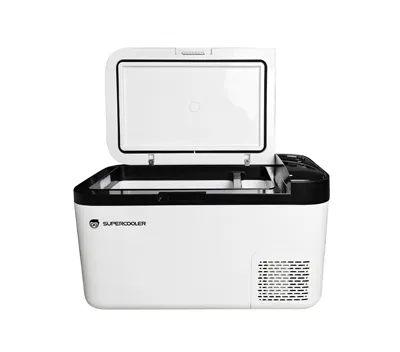
· Refrigeration: Vacuum insulation panel refrigerator designs from major brands maximize interior volume while achieving top energy ratings.
· Buildings: Vacuum insulation panels in buildings and vacuum-insulated wall panels enable slim, high-efficiency walls, roofs, and retrofits.
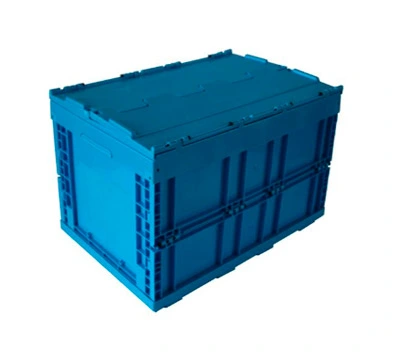
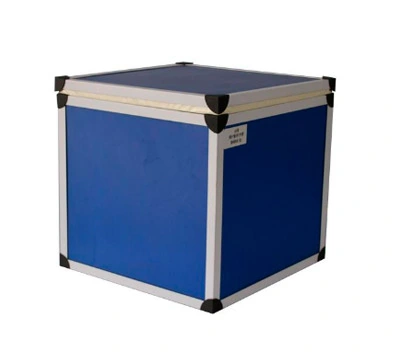
· Cold Chain: Insulated boxes, containers, and vehicles benefit from passive, long-duration temperature control.
· Specialty: Ovens, electric vehicles, solar equipment, and portable coolers.
When searching "where to buy vacuum insulation panel" or "vacuum insulated panels for sale", focus on established vacuum insulation panel suppliers with integrated production capabilities. Look for companies offering full technical support, customization, and proven track records with global brands.
Reputable vacuum insulation panel manufacturers provide:
· Comprehensive product ranges
· Reliable after-sales service
· Transparent performance data
· Ability to scale for OEM needs
Request samples, review case studies, and compare multiple quotes. Leading suppliers often participate in international exhibitions and maintain strong quality management systems.
· Specify exact application conditions (temperature, humidity, mechanical load) when requesting quotes.
· Factor in handling and installation: VIPs are sensitive to punctures; protective layers or professional installation may be needed.
· Consider total lifecycle cost rather than just upfront vacuum insulation panel cost.
· Verify compatibility with adhesives, coatings, or surrounding materials.
· Plan layouts carefully since on-site cutting is not recommended.
· Ask about aging performance and warranty periods.
Selecting the right vacuum insulation panels requires balancing performance, cost, and application needs. High-performance vacuum insulation panels from trusted vacuum insulation panel suppliers deliver unmatched efficiency for forward-thinking projects.
For businesses ready to purchase, contact professional manufacturers directly for tailored solutions and competitive VIP panels price. Whether sourcing standard vacuum insulation board or custom vacuum-sealed insulation panels, working with experienced partners ensures you receive quality products backed by technical expertise.
Investing in advanced vacuum insulation today positions your projects for superior energy performance, regulatory compliance, and long-term savings. Explore available vacuum insulation panels for sale and take the next step toward more efficient, sustainable outcomes.
 English
 日本語
日本語 한국어
한국어 français
 Deutsch
 Español
 italiano
 русский
 português
 العربية
 Türkçe