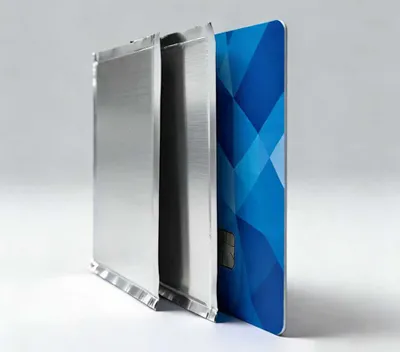
In the rapidly evolving field of vacuum insulation technology, getter materials play a pivotal role in maintaining ultra-low-pressure environments essential for superior thermal performance. Leading vacuum insulation panel suppliers like Supertech have developed cutting-edge getter vacuum products that effectively address residual and permeating gases. This article explores the science, applications, and innovations behind Supertech's getter materials and related technologies, highlighting their critical contribution to vacuum insulation panels (VIPs) and broader insulation solutions.
A getter is a reactive material designed to capture and chemically bind unwanted gas molecules within a sealed vacuum environment. In vacuum insulation panels, even minute quantities of gases like oxygen, nitrogen, water vapor, hydrogen, carbon monoxide, and carbon dioxide can compromise the vacuum level. This degradation increases thermal conductivity, undermining the panel’s insulating efficiency over time.
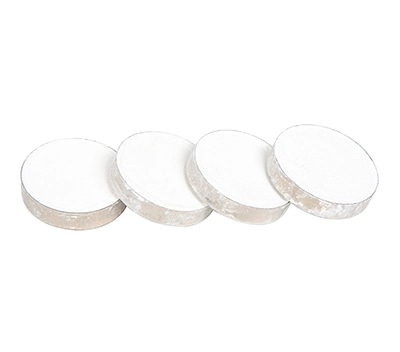
Supertech's getter vacuum products are engineered specifically for this challenge. Their independently developed formulations offer cost-effective performance without sacrificing efficacy. Key features include strong chemisorption capabilities that leave "water vapor with nowhere to hide," targeting a broad spectrum of reactive gases. Unlike traditional getters that may require high-temperature activation, Supertech's new room-temperature getter is ready to use immediately after integration, simplifying manufacturing and enhancing practicality.
The primary function of these materials is to maintain and even enhance the vacuum inside VIPs. By continuously absorbing permeating and outgassed molecules, these getters extend the service life of insulation panels significantly. Comparative tests demonstrate this advantage clearly: VIPs incorporating high-efficiency getters (combined with hybrid barrier films and fiberglass core materials) exhibit superior long-term thermal conductivity stability under various aging conditions.
Vacuum insulation panels achieve exceptional thermal resistance through a near-perfect vacuum between barrier films enclosing a core material, typically fiberglass or fumed silica. However, real-world conditions introduce challenges. Barrier films, while highly impermeable, are not entirely gas-proof over decades. Internal core materials can also outgas residual moisture or other volatiles. Without intervention, these gases raise internal pressure, allowing heat transfer via conduction and convection to rise dramatically—potentially reducing insulation performance by up to 30% and shortening lifespan.
This is where advanced vacuum insulation panel suppliers' getter vacuum materials become indispensable. They act as an internal "cleanup crew," chemically binding gases to preserve the vacuum. The hybrid approach integrates getters directly into the panel structure, either embedded in the core or laminated within barrier films. This ensures continuous protection throughout the product's lifecycle, counteracting both external permeation and internal outgassing.
Oxygen getter materials are particularly vital because oxygen is highly reactive and contributes significantly to pressure buildup and material degradation, while nitrogen getter capabilities address another major atmospheric component. The oxygen getter effectively scavenges O₂ molecules through strong chemical bonding, preventing oxidative damage and maintaining low thermal conductivity. Nitrogen, though less reactive than oxygen, still permeates barriers slowly and must be managed for long-term vacuum stability. The formulations handle N₂ alongside other gases, providing comprehensive protection.
Hydrogen getter materials target H₂, which behaves differently as it often dissolves into metals rather than forming simple compounds. The hydrogen getter solutions efficiently manage this gas, which is common in certain manufacturing processes or from material interactions, preventing pressure increases that could compromise insulation.
Leading vacuum insulation panel suppliers leverage proprietary processes to create high-performance getters. The core material often features highly active calcium oxide (CaO), enhanced with additives containing noble metals and rare earth oxides. This special formulation excels at absorbing water vapor, carbon dioxide, and smaller amounts of hydrogen and oxygen within VIPs. The result is not only maintained but potentially improved vacuum levels over time.
Key advantages include:
· Broad-Spectrum Adsorption: Effective against nitrogen, oxygen, water vapor, hydrogen, carbon oxides, and more via strong chemisorption.
· Room-Temperature Operation: No activation heating required, reducing energy use and complexity in production lines.
· Cost-Effectiveness: Independently developed for competitive pricing while delivering industrial-grade performance.
· Proven Durability: Backed by rigorous testing showing sustained low thermal conductivity in accelerated aging scenarios.
These getters integrate seamlessly with other vacuum technologies, such as nano barrier films, high-performance fiberglass cores, and vacuum insulating glass (VIG). This holistic approach positions advanced vacuum insulation panel suppliers as complete solutions providers in the vacuum insulation energy-saving field.
Advanced getters enhance VIP performance in diverse sectors, aligning with global demands for energy efficiency and sustainability.
In household appliances, getters help refrigerators, freezers, and water heaters achieve first-level energy consumption standards. Ultra-thin VIP designs increase internal volume while reducing energy use, with getters ensuring long-term reliability.
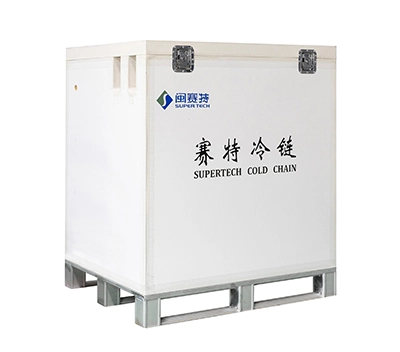
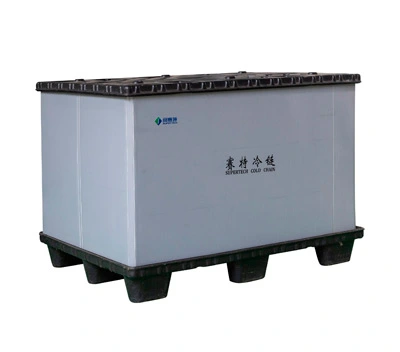
Pharmaceutical cold chain and food delivery applications benefit immensely. Passive, zero-energy-consumption insulation with extended temperature retention minimizes coolant needs and costs. Getters maintain vacuum integrity in insulated boxes, pallets, and bags, critical for sensitive medicines and perishable foods.
In building insulation, solutions using metal VIPs and vacuum glass contribute to energy-efficient envelopes. Getters support long service life in walls, roofs, doors, and windows, supporting passive buildings and reducing heating/cooling demands.
New energy vehicles and metal VIP applications leverage getters for thermal and acoustic management. Vacuum glass in vehicle windows reduces air conditioning loads, extending EV range, while getters ensure consistent performance under varying temperatures.
Beyond VIPs, getters find utility in related vacuum systems, including cold chain equipment, portable refrigerators, and specialized high-temperature or ultrathin panels. Their versatility supports customization (OEM/ODM) for unique client needs.
The gas absorption mechanism relies on chemisorption. Reactive components in the getter material form stable chemical bonds with target molecules. For non-evaporable getters (NEGs), activation during manufacturing exposes fresh surfaces, but room-temperature variants minimize this step.
Zirconium-based alloys, calcium oxide hybrids, and multi-component formulations each have strengths. Zirconium excels for oxygen and nitrogen in long-term applications like construction. Calcium oxide shines in moisture control for lower-temperature uses. Hybrid getters combine these for broad-spectrum coverage.
Testing underscores reliability. Under natural conditions and accelerated stress (high heat, humidity cycling), getter-equipped panels outperform controls, preserving low thermal conductivity essential for energy savings. This data-driven validation supports claims of extended VIP lifespan.
Getters have a rich history in vacuum technology, from early vacuum tubes to modern ultra-high vacuum systems in research and industry. Supertech builds on this foundation with innovations tailored to insulation challenges. As global regulations push for lower carbon footprints, technologies like these getters enable passive insulation solutions that require no ongoing energy input—aligning with green building standards and efficient cold chain logistics.
As demands for thinner, more efficient, and longer-lasting insulation grow—driven by EVs, sustainable construction, and pharmaceutical logistics—advanced getter materials will remain central. The focus on cost-effective, high-performance, room-temperature getters positions leading vacuum insulation panel suppliers as preferred partners for manufacturers seeking reliable vacuum performance.
Whether implementing comprehensive getter vacuum systems, proven results are delivered. The products not only solve immediate technical challenges but also contribute to broader environmental goals through superior energy conservation.
For businesses exploring VIP integration or custom insulation solutions, expertise is offered across the product lifecycle. Contact Supertech to discuss how getter-enhanced solutions can elevate your projects.
 English
 日本語
日本語 한국어
한국어 français
 Deutsch
 Español
 italiano
 русский
 português
 العربية
 Türkçe