Here’s the thing: on an LNG ship, the insulation layer does way more than just “keep things cold.”
If you work at a shipyard, design institute, or deal with LNG/LPG specs, this question matters more than it looks: what safety risks is the insulation actually covering?
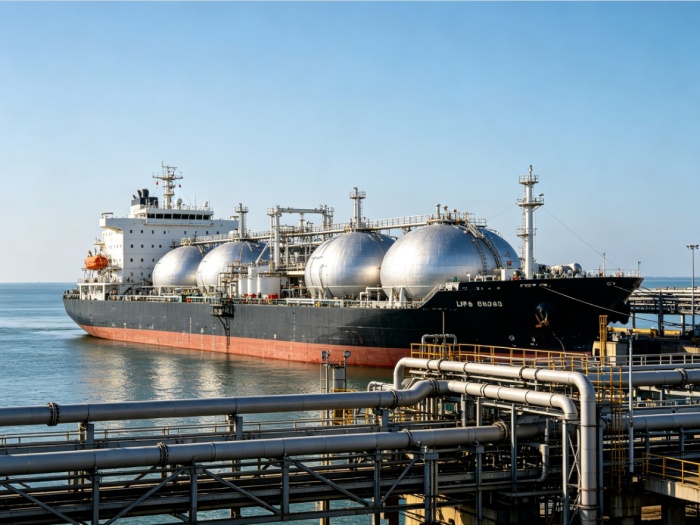
Think of an LNG ship as a giant freezer at sea: it has to move liquefied natural gas thousands of nautical miles at -162°C.
Whether it’s a membrane LNG ship built around a Mark III/NO96-type containment system or a Self-supporting Tank, one weak link in the cryogenic cargo system can become a serious problem fast. That’s why class societies such as DNV, ABS, and CCS have been getting stricter about insulation materials.
Where is your project on class approval for the insulation? Drop it in the comments.
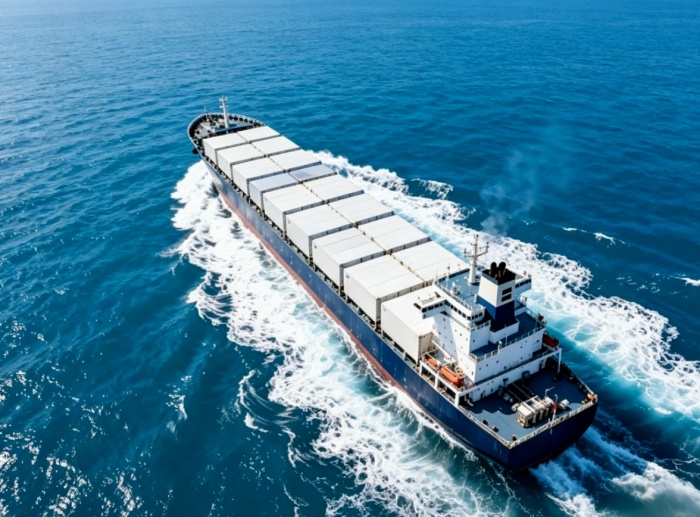
On an LNG ship, it’s doing at least 3 safety jobs:
Keeps LNG boil-off from getting out of control. If part of the insulation fails, LNG can evaporate fast and send tank pressure off-spec. Best case: major cargo loss. Worst case: overpressure risk.
Stops low-temperature embrittlement from spreading. If -162°C gets through a weak spot in the insulation and reaches the hull structure, ordinary steel can turn brittle, directly threatening structural safety. That’s exactly why class pays so much attention to insulation integrity.
Provides fire separation. Ship compartments are highly enclosed, so the insulation also has to meet class fire-rating requirements. If a fire starts in that kind of space, the consequences can be brutal.
Which of these 3 is the biggest issue on your project? Tell us below.
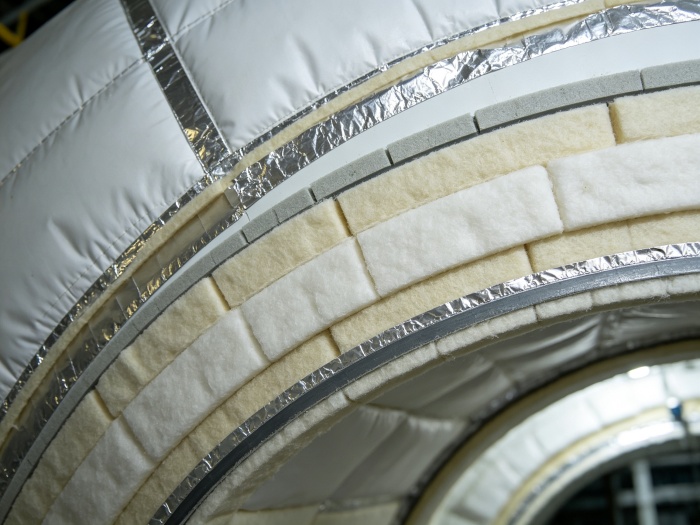
VPU isn’t trying to “replace” the traditional insulation system. It adds extra layers of protection on top of it for cryogenic service:
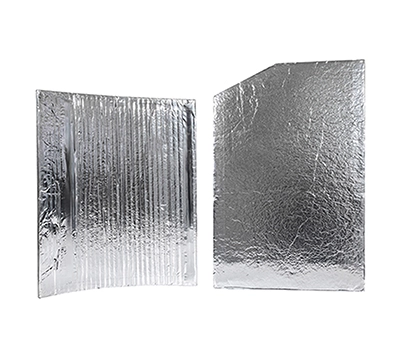
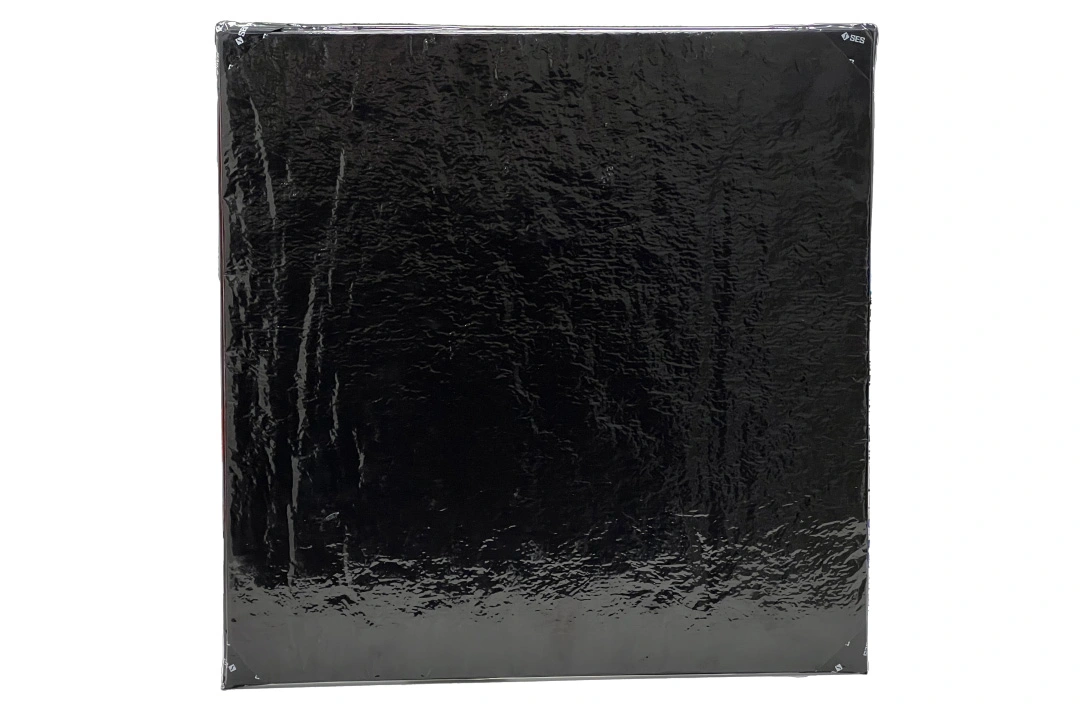
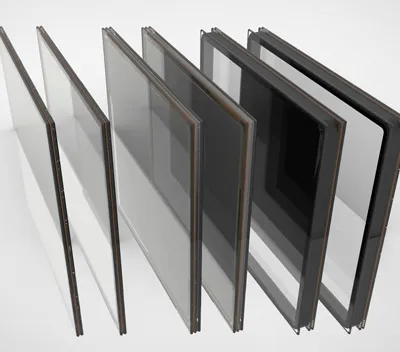
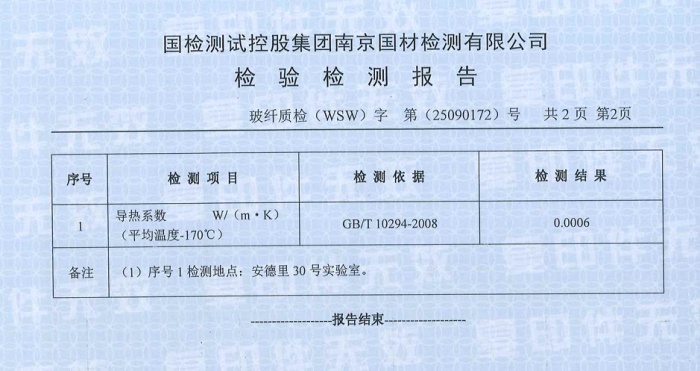
Layer 1: vacuum insulation core (BVP, stainless-steel-encapsulated vacuum insulation panel). A 304 stainless steel high-barrier shell seals in the vacuum. At an average temperature of -170℃, thermal conductivity can be as low as 0.6mW/m·K (0.0006W/m·K). Add high-efficiency getters and laser-welded edges, and you basically get armor around the vacuum layer — helping prevent gas leakage from wrecking insulation performance.
Layer 2: PIR foam composite. PIR has better fire performance than standard polyurethane and is designed for cryogenic service, staying stable across the normal LNG storage and transport temperature range.
Layer 3: clean, non-toxic design. No fiber dust, no VOCs — built for the air-quality and cargo-cleanliness requirements of enclosed ship spaces.
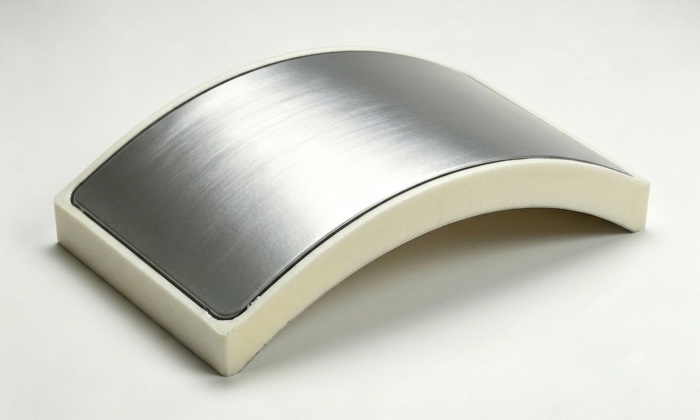
Layer 4: structural integrity. A hot-pressed rigid bottom shell resists deformation and puncture, while corner leak rates stay extremely low. That keeps performance stable over the full service life and cuts the risk of cold bridges and local failures right at the source.
For shipowners and shipyards, those 4 barriers add up to:
lower risk of runaway boil-off
more reliable hull protection
more stable fire separation
an easier path through full operating-condition verification by class
For shipyards and shipowners, choosing insulation for an LNG/LPG ship isn’t only about cost vs. performance. It’s also about crew safety, cargo safety, and shipping safety.
One material choice sets the safety baseline for every cryogenic voyage over decades of service.
Choosing a rigorously validated VacuEco VPU solution is a direct answer to that responsibility.
Your turn: for LNG ship insulation, where do you draw the line between safety and economics? Comment below or send this to someone in the industry.
Want to see how VacuEco BPP works in LNG/LPG tank insulation? DM us and our technical team can walk you through a project-specific solution.
VacuEco | Super Tech Advanced Material — focused on vacuum insulation technology and high-reliability cryogenic insulation solutions for LNG/LPG ships.
 English
 日本語
日本語 한국어
한국어 français
 Deutsch
 Español
 italiano
 русский
 português
 العربية
 Türkçe