Why is a steel mill control room still hot and energy-hungry when the air conditioning runs all year?
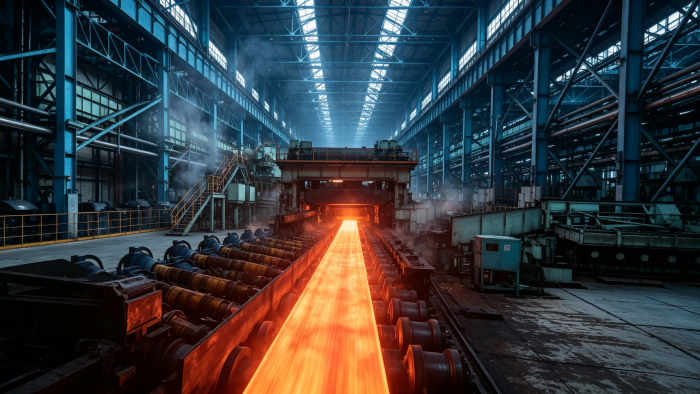
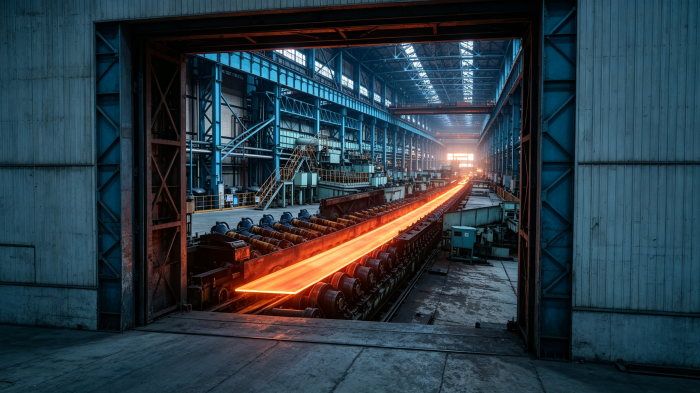
The furnace is 30 metres away. There is a wall in between. And a pane of glass.
The air conditioning runs 24 hours a day.
Yet the moment an operator moves close to the glass to observe the furnace— a wave of heat hits them.
The problem is not an undersized air conditioner. Nor is it an insufficient electricity budget.
Heat is entering by two routes, but only one has been blocked.

Most steel mill control rooms use rock wool panels or polyurethane foam panels to insulate the walls.
These materials may be adequate in ordinary buildings.
But under continuous radiant heat in a steel mill, heat still penetrates the insulation.
A comparison of thermal conductivity and actual performance quickly shows why:
Conventional wall insulation | Thermal conductivity | Practical limitations |
Rock wool panel | 0.040–0.050 W/(m·K) | Requires 100–200mm thickness; performance deteriorates over time after moisture exposure. |
Polyurethane foam panel | 0.022–0.035 W/(m·K) | Maximum service temperature only 120℃; ageing and deformation accelerate in high-temperature environments. |
Unless this route through the walls is fully blocked, heat will find its way inside.
This physical fact has long been overlooked.
The glass observation window is the weakest point in the entire insulation system.
Glass type | U-value | Comparison with a high-performance insulated wall |
Standard single glazing | 5.5–6.0 W/(m²·K) | Heat loss is dozens of times higher than through an insulated wall. |
Standard insulating glass | 2.4–2.8 W/(m²·K) | Heat loss remains several times higher than through an insulated wall. |
Low-E insulating glass | 1.4–1.8 W/(m²·K) | Improved performance, but it gradually fails as the sealant ages. |
In a 200㎡ control room, the observation windows may cover about 30㎡— The glass covers only 15% of the area, yet accounts for about 60% of the heat loss.
The carefully upgraded walls address only 40% of the problem. The remaining 60% still pours straight through the windows.
The issue should now be clear—in a control room where the air conditioning runs 24 hours a day, the problem is not insufficient cooling capacity, or an insufficient electricity budget.
Heat is entering by two routes, but only one has been blocked.
The walls are only partly protected. The glass is not protected at all.
Heat does not give up because one route is blocked; it simply enters through the other route in greater force.
The real solution is to protect both routes.
One requires an insulation layer designed for the walls. The other requires glazing designed to resist heat transfer.
Together, they form a complete barrier based on the same technology.
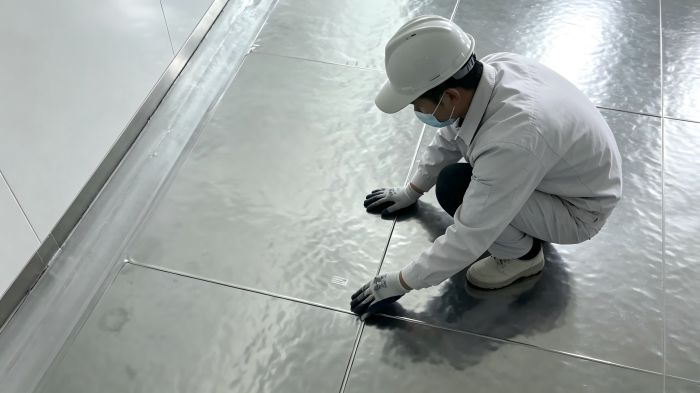
For control-room walls and ceilings
Comparison | Conventional rock wool (current) | Supertech-VAP panel |
Thermal conductivity | 0.040–0.050 W/(m·K) | ≤0.002W/(m·K) |
Required thickness for equivalent insulation | 100–200mm | 10–30mm |
Long-term performance stability | Deteriorates after moisture exposure; 10–15 years | Metal enclosure; stable for ≥25 years |
High-temperature resistance | Limited; prone to ageing | Metal enclosure; suitable for industrial high temperatures |
Space required | Thick and heavy; reduces usable indoor space | Ultra-thin; takes up almost no space |
In steelmaking and other high-temperature industrial environments, walls are often a major route for heat to enter indoor spaces.
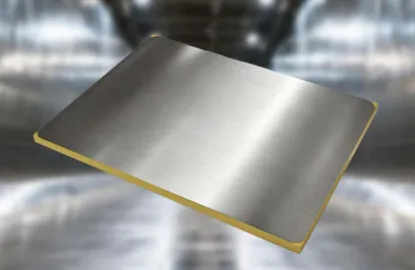
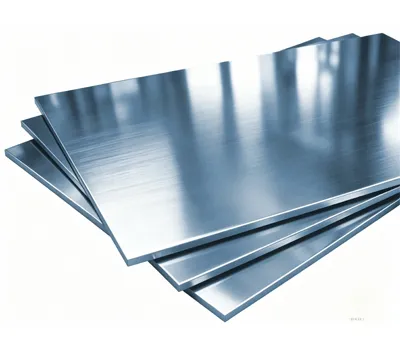
Supertech-VAP panels provide 20–25 times the insulation performance of conventional materials such as rock wool. At the same thermal performance, they reduce insulation thickness by more than 80%, freeing valuable space.
The metal enclosure improves long-term stability and reduces performance loss caused by moisture and ageing, providing more durable and reliable thermal protection in high-temperature industrial areas.
Technical principle:
Vacuum is one of the most effective thermal insulators. Without a medium, heat cannot be transferred by convection or conduction. Yujia encloses a high-vacuum core in a metal shell, reducing thermal conductivity to less than one-tenth that of conventional insulation materials.
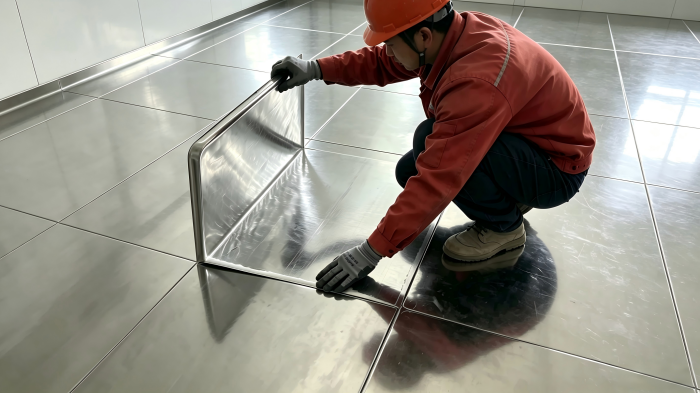
For control-room observation windows and glass doors
Comparison | Standard insulating glass (current) | SuperVIG® vacuum insulated glass |
U-value (thermal insulation) | 2.4–2.8 W/(m²·K) | ≤0.6 W/(m²·K) |
Sound insulation | 28–32 dB | ≥40 dB |
Glass thickness | 18–24mm | 6.5–13mm |
Sealing method | Butyl sealant; fails after 5–10 years due to ageing | Dual seal; no evacuation port |
Door deformation | PVC frame deformation up to 17.05mm | ≤0.51mm |
Measured energy savings | Baseline | 33.5% savings |
Glass is a key route for heat intrusion through control rooms and observation windows.
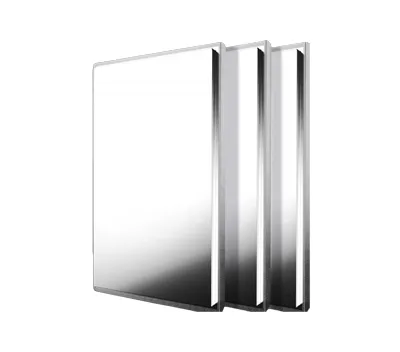
Replacing ordinary insulating glass with SuperVIG® improves thermal insulation by 4–5 times and reduces glass thickness by about 50%, combining efficient insulation with a slim structure.
Vacuum insulated glass also improves acoustic insulation, reduces the risk of door deformation and maintains stable long-term performance, turning a vulnerable glazed area into a reliable thermal barrier.
Technical principle:
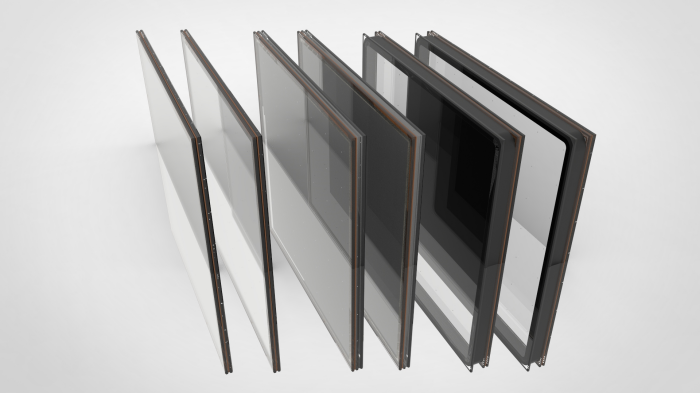
SuperVIG® uses a dual-seal design with no evacuation port. The vacuum cavity leak rate is controlled at approximately 10⁻¹⁰ Pa·L/S, more than 10,000 times stricter than standard industrial sealing requirements. The vacuum is maintained over the long term, so insulation performance does not deteriorate with time.
Comparison | Before renovation | After renovation |
Wall thermal conductivity | 0.045 W/(m·K) | ≤0.002 W/(m·K) |
Glazing U-value | 2.6 W/(m²·K) | ≤0.6 W/(m²·K) |
Indoor temperature | Remains high despite air conditioning | Significantly lower |
Air-conditioning load | Overloaded 24 hours a day | Substantially reduced |
Operators | Work in high heat with low efficiency | Comfortable environment; better focus |
Precision equipment | Prolonged high temperatures; frequent failures | Controlled temperature; longer service life |
Added renovation thickness | — | Only 10–30mm added to the walls |
Optimising both major heat-entry routes—the walls and the glazing—substantially improves the control room’s overall thermal insulation.
After renovation, heat transfer through the walls is reduced by about 22.5 times and through the glazing by about 4 times, significantly lowering the indoor temperature and air-conditioning load.
For the company, this reduces long-term cooling and maintenance costs, lowers heat stress on equipment, and creates a more comfortable and stable working environment for operators.
The upgrade moves industrial spaces from reactive cooling to proactive insulation.
Thirty metres cannot stop the heat. Neither can a rock wool wall. Ordinary insulating glass is even less effective.
But Supertech-VAP panels with thermal conductivity ≤0.002W/(m²·K), combined with SuperVIG® vacuum insulated glass with a whole-window U-value ≤0.6W/(m²·K), can.
This is not a concept. It is physics.
Keep the heat outside the control room.
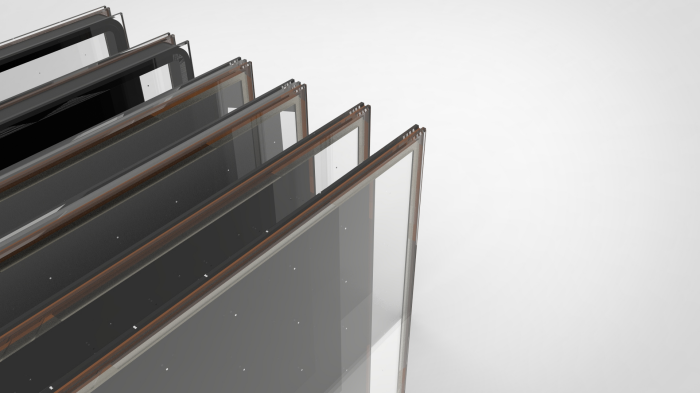
In high-temperature environments, heat often enters through both the walls and the glazing.
A single insulation measure cannot address the total heat load.
Used together, Supertech-VAP panels and SuperVIG® vacuum insulated glass address the two major heat sources—the walls and windows—reducing heat ingress and equipment load.
Built on vacuum insulation technology, VacuEco provides efficient thermal insulation and energy-saving solutions for high-temperature industrial applications.
Follow us for complete thermal insulation solutions for high-temperature industrial applications.
Tell us about your facility to receive a combined wall-and-glazing insulation proposal.
 English
 日本語
日本語 한국어
한국어 français
 Deutsch
 Español
 italiano
 русский
 português
 العربية
 Türkçe